
So What is this “Mission” Anyway?

I’m a wreck today. Partly because I’m fighting through a head cold, but mostly because the whole family woke up at 3:30 this morning so we could take Ralph to the airport and send him off with a giant family hug. He’s flying to Mexico City today for six weeks of training and then it’s on to Bogota, Colombia. His mission assignment is 24 months, and we won’t see him again for two years. (I’m absolutely crushed to write that sentence). He can call us on Mother’s Day and Christmas, but other than that, the only communication we’ll have with him is a weekly email, or maybe an actual written letter now and then.
Though we’re delighted he has such a huge adventure ahead of him, we are all feeling pretty heartbroken to see him go. There are lots of tears and lots of tissues at our house. And sweet surprises too. After we returned from the airport and went back to bed for a few hours, we woke to find that Ralph had left a personal letter for each sibling and each parent. Really thoughtful, lovely letters. I already treasure mine.
Lots of cryfests happening. There was one last night when Ralph was officially made Elder Blair by one of our church leaders. Another as we drove to the airport this morning. A big one as we said goodbye at security. And another one this morning as we read his letters. Those are the family cryfests, but really, I’ve personally been a big teary mess at random times — grocery store line, driving kids to school, doing dishes — since we got home from France. It’s not just the mission, it’s also the very real fact that this marks the end of an era for our family.
While I’m dealing with the tears, I thought this was a good day to write up a few notes about missions for those who are curious. I need to start by saying that I’ve never been on a mission. So I’m going to tell you what I know, but I can’t pretend to be an expert.
What a mission is:
Missions have been happening since the Mormon church was established. But they’ve changed over time. Back in the pioneer days, it was often married men with young families who were sent off all over the world. But a century and a half later, it’s mostly young men and young women in their late teens and early twenties. Beyond that age range, there are also couple missionaries that head out when they retire — for example, my parents and Ben Blair’s parents both served a mission in retirement. There are currently about 74,000 LDS missionaries. Here’s a list of the trivia that I think you’ll find the most interesting:
– Young men can go on a mission beginning at age 18. They must be single. They are asked to serve for 24 months.
– Young women can go on a mission beginning at age 19. They must be single as well. They are asked to serve for 18 months. There are lots of theories about the different age requirements, and time requirements, but I haven’t heard any official word on why it’s different for men and women. Also, these ages are relatively new. For most of my life the age requirements were 19 for young men, and 21 for young women. But that changed about 4 or 5 years ago.
– You don’t get to choose where your mission will be. With the exception of a few countries where they don’t allow missionaries, it could be literally anywhere. My siblings did missions in Cambodia, Brazil, Japan, Colombia, and South Dakota. My dad’s mission was on the Navajo reservation. In retirement, my mom and her husband went on a mission to Ykaterinburg, Russia (so cold!).
Being able to speak a second or third language doesn’t necessarily affect where you are asked to serve. Ralph is fluent in French, but has been asked to learn Spanish. There is a spot on the application where you can indicate your language skills and your willingness to learn a new language. But still, you get assigned where you get assigned.
– You have to apply to go on a mission. It’s not an automatic: YES, you can go. A mission is hard work, and you have to be up to it physically. So just to apply, there are doctor visits and dentist visits and blood tests and immunization records — with the goal of making sure that anyone heading out on a mission is as healthy as possible.
…Living With Kids: The Hardest Working Room in Trina’s La La Lovely Home
 By Gabrielle. Photos via Trina herself and Yazy Jo Photography.
Whenever I catch up with Trina of the beautiful blog La La Lovely on Instagram, I’ve noticed one room in her home is featured a lot. And in very different ways.
Seriously, Trina’s master bedroom is the hardest working room in her home. It’s equal parts a sleeping, working, relaxing, and exercising space, which sounds like a whole lot when I write it out. I had to see it more closely, and hear all about it from the one who spends the most time in there. Of course, Trina agreed to show us around. She’s so good like that!
By Gabrielle. Photos via Trina herself and Yazy Jo Photography.
Whenever I catch up with Trina of the beautiful blog La La Lovely on Instagram, I’ve noticed one room in her home is featured a lot. And in very different ways.
Seriously, Trina’s master bedroom is the hardest working room in her home. It’s equal parts a sleeping, working, relaxing, and exercising space, which sounds like a whole lot when I write it out. I had to see it more closely, and hear all about it from the one who spends the most time in there. Of course, Trina agreed to show us around. She’s so good like that!
 Welcome back, Trina! (Yep, she’s been here before, and is also featured on some of the cutest pages in my book!)
Hi everyone! We’re the McNeilly family. We are a wild bunch, mostly because the boys tip the scales. There’s Stephen: Everyone tells him he looks and sounds like Matthew McConaughey. Except for the one time someone said, “Does anyone ever tell you that you look like….Owen Wilson?”
I’m Trina. I’m known to break into a British accent at any given time. My children are no longer amused by this.
Our oldest and singiest is Ella. If she isn’t singing, something must be wrong.
Then comes Luke: He is our resident sports fanatic from black flips to football, and he has a few scars to prove it.
Liam Brave is an old soul who has been giving me lessons about life since he was two.
And Rocco Royal is our social bug. Last year, I found out that he had smuggled one of my necklaces to school and gave it to a girl named Scarlett.
Welcome back, Trina! (Yep, she’s been here before, and is also featured on some of the cutest pages in my book!)
Hi everyone! We’re the McNeilly family. We are a wild bunch, mostly because the boys tip the scales. There’s Stephen: Everyone tells him he looks and sounds like Matthew McConaughey. Except for the one time someone said, “Does anyone ever tell you that you look like….Owen Wilson?”
I’m Trina. I’m known to break into a British accent at any given time. My children are no longer amused by this.
Our oldest and singiest is Ella. If she isn’t singing, something must be wrong.
Then comes Luke: He is our resident sports fanatic from black flips to football, and he has a few scars to prove it.
Liam Brave is an old soul who has been giving me lessons about life since he was two.
And Rocco Royal is our social bug. Last year, I found out that he had smuggled one of my necklaces to school and gave it to a girl named Scarlett.
 Theodore is our kitty cat who likes to bring me presents, and not the kind I like to get. Because of him I’m now a part-time animal rescuer.
…
Theodore is our kitty cat who likes to bring me presents, and not the kind I like to get. Because of him I’m now a part-time animal rescuer.
…Living With Kids: The Hardest Working Room in Trina’s La La Lovely HomeRead More »
Living With Kids: Liz Braithwaite
 By Gabrielle.
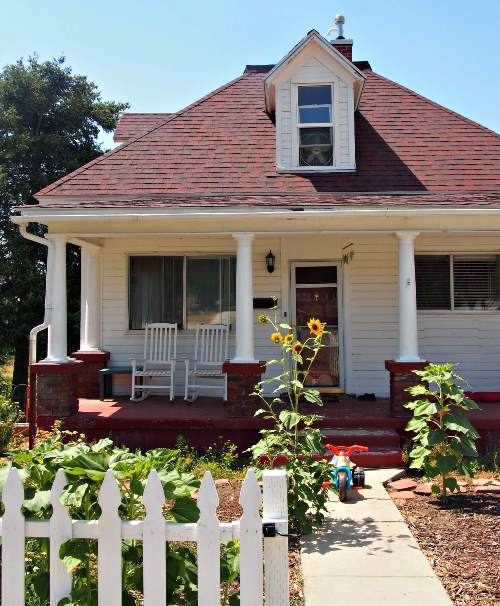
I love the way Liz describes her smallish town — “Turning left easily on the busiest street at rush hour is something I will never get tired of.” — and her simplified approach to decorating with kids: “I didn’t design anything too spectacular. But I did create a home where my kids could grow and be themselves, which is far more important.” A space where kids can grow and become who they’re meant to be is the best decorated space we could imagine, right?
And, between us, I think she’s wrong. Her up and down staircases are pretty spectacular! Come see. Welcome, Liz!
By Gabrielle.
I love the way Liz describes her smallish town — “Turning left easily on the busiest street at rush hour is something I will never get tired of.” — and her simplified approach to decorating with kids: “I didn’t design anything too spectacular. But I did create a home where my kids could grow and be themselves, which is far more important.” A space where kids can grow and become who they’re meant to be is the best decorated space we could imagine, right?
And, between us, I think she’s wrong. Her up and down staircases are pretty spectacular! Come see. Welcome, Liz!
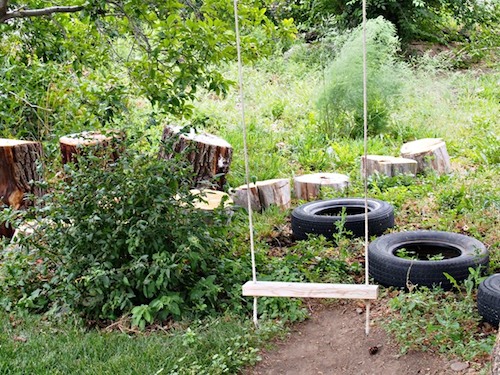 I’m Liz, living with my family full of boys. I’m a full-time mom, and I’ve grown to love being a homemaker. I also volunteer as a horticulturist and do occasional garden design and other projects. My husband, Joe, works as a physical therapist a few blocks from our home at a skilled nursing facility. He’s subtly goofy and has always made me laugh.
We have three boys. Our oldest, Peter tends to be heavily involved in his own interests and not always agreeable. He’s a brilliant kid, and will spend hours reading, often very difficult books. He also is constantly bringing me little notes that say, “I love you Mom,” and it makes up for everything else he does. Our second son, Curtis, has a smile that melts my heart. He enjoys playing alone and has always been an amazing builder. He tends not talk a lot and keeps to himself, so I have to watch him and make sure he’s being included or he can get wild.
I’m Liz, living with my family full of boys. I’m a full-time mom, and I’ve grown to love being a homemaker. I also volunteer as a horticulturist and do occasional garden design and other projects. My husband, Joe, works as a physical therapist a few blocks from our home at a skilled nursing facility. He’s subtly goofy and has always made me laugh.
We have three boys. Our oldest, Peter tends to be heavily involved in his own interests and not always agreeable. He’s a brilliant kid, and will spend hours reading, often very difficult books. He also is constantly bringing me little notes that say, “I love you Mom,” and it makes up for everything else he does. Our second son, Curtis, has a smile that melts my heart. He enjoys playing alone and has always been an amazing builder. He tends not talk a lot and keeps to himself, so I have to watch him and make sure he’s being included or he can get wild.
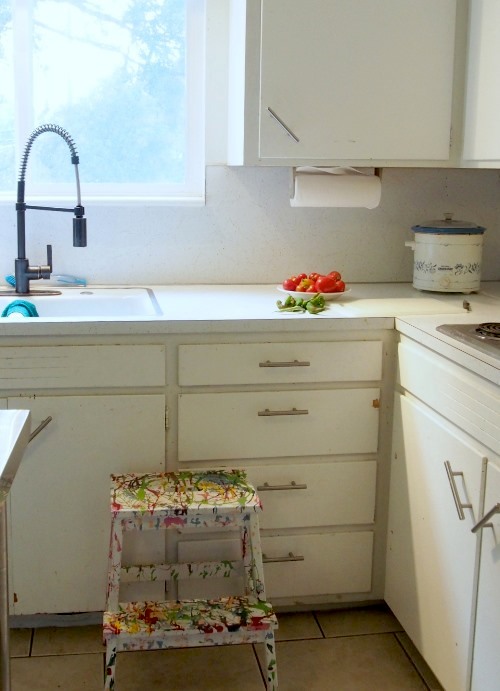 Henry is the youngest. He loves hugs and kisses and books. He really finds joy over the simplest things, like jumping on a tramp or seeing a bird, and it’s easy to let that rub off on me.
All of us enjoy being active. We love to go places like parks, museums, geocaching, or disc golf. If we’re at home, we are probably working on a project.
…
Henry is the youngest. He loves hugs and kisses and books. He really finds joy over the simplest things, like jumping on a tramp or seeing a bird, and it’s easy to let that rub off on me.
All of us enjoy being active. We love to go places like parks, museums, geocaching, or disc golf. If we’re at home, we are probably working on a project.
… Living With Kids: Rochelle Greayer
 By Gabrielle.
Four years ago — have we seriously been touring your wonderful homes since then?! — Rochelle showed us around her Harvard home, and it was dreamy. Think books and twinkly lights and more books and a burgeoning garden. Much has changed over the years, and Rochelle reached out to see if I’d be interested in seeing her family home’s evolution of sorts. My answer was yes, accompanied by many exclamation points.
Of course, there are less toys, different seating configurations, one less dining room, a flourishing garden and probably way more books. I for sure wanted an update on their lives today. If you’d like, you can peek in on her previous tour. Just be sure to come back quickly. It’s worth it!
Welcome back, Rochelle!
By Gabrielle.
Four years ago — have we seriously been touring your wonderful homes since then?! — Rochelle showed us around her Harvard home, and it was dreamy. Think books and twinkly lights and more books and a burgeoning garden. Much has changed over the years, and Rochelle reached out to see if I’d be interested in seeing her family home’s evolution of sorts. My answer was yes, accompanied by many exclamation points.
Of course, there are less toys, different seating configurations, one less dining room, a flourishing garden and probably way more books. I for sure wanted an update on their lives today. If you’d like, you can peek in on her previous tour. Just be sure to come back quickly. It’s worth it!
Welcome back, Rochelle!
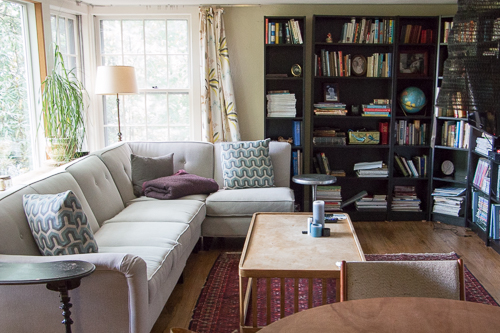 We are four plus one. Our plus one is an English Bull Terror (think Spuds McKenzie or the the Target dog) with excellent comedic timing who either thinks he is human or that we are all dogs. I can’t tell. Either way, the playing field is level according to him and he has gone from being a newbie puppy the last time I was a guest here to full fledged member of the family. Then from littlest to biggest, there is Isaac (ten), Meredith (13), me, and my husband Rob. We live in Harvard, Massachusetts, outside of Boston.
Since we last appeared on Design Mom, everyone has grown so much! We have a teenager now and the toys and the trappings of little kids have all but disappeared from our daily lives. I feel like everything has sped up and I want nothing more than the pace to slow down. But I don’t see that happening — I think it goes with the territory.
…
We are four plus one. Our plus one is an English Bull Terror (think Spuds McKenzie or the the Target dog) with excellent comedic timing who either thinks he is human or that we are all dogs. I can’t tell. Either way, the playing field is level according to him and he has gone from being a newbie puppy the last time I was a guest here to full fledged member of the family. Then from littlest to biggest, there is Isaac (ten), Meredith (13), me, and my husband Rob. We live in Harvard, Massachusetts, outside of Boston.
Since we last appeared on Design Mom, everyone has grown so much! We have a teenager now and the toys and the trappings of little kids have all but disappeared from our daily lives. I feel like everything has sped up and I want nothing more than the pace to slow down. But I don’t see that happening — I think it goes with the territory.
… Big School or Small School
 By Gabrielle.
A couple weeks ago we discussed the advantages and disadvantages of having your kids focus on one particular activity and getting really good at it, versus more casually trying a lot of different activities. Related to that discussion, I’ve been thinking about small schools versus big schools and the opportunities they offer.
It’s actually been an ongoing topic of conversation at our house for ages, but especially since Memorial Day, when we got together with our dear friends, Becky and Rob Lattin (parents of 7 great kids).
We know the Lattins from Colorado. While they lived there, their teens went to Arapahoe High School, which is quite big — approximately 2200 students. But about a year ago, they moved to a tiny town in Idaho called Weiser. It’s the town Becky grew up in, and now her kids attend the same high school she did.
The two high schools — Arapahoe High and Weiser High — are very different, and we were discussing what that meant for her kids, and what she remembered from her own experiences as a teen. I’m going to talk about both high schools, but I want to note that it’s all secondhand, because I’ve never had personal experience with either school. These notes and thoughts are just what I remember from my conversations with Becky, and if you know the schools, and I’m getting some details wrong, then I apologize in advance. : )
Arapahoe High School is an excellent school with high achieving students and a modern, up-to-date facility. The school has a ton of resources (including its own pool) so they can offer every team sport under the sun, a slew of AP classes, an excellent theater department, and lots of performing arts opportunities. But it’s also very competitive. For example, our nephews went to the same school and I remember being shocked to hear that they hadn’t made the school soccer team. They’re natural athletes, they’ve played on soccer teams since they were teeny tiny, and they practice hard. They’re really good soccer players–like maybe intramural champions at BYU? But apparently not good enough to make the team at Arapahoe. It’s that competitive.
Weiser is much smaller with not quite 500 students. People don’t necessarily choose to go to Weiser, it’s simply the default because it’s the only high school in town. Certainly, Weiser doesn’t have the same resources or campus as Arapahoe, but happily they do offer a wide range of sports and other extra-curricular activities. Though instead of competitive tryouts, at Weiser, to join any team or group or club, you pretty much just show up. Never played tennis before? No worries. You’re still on the team!
Becky mentioned that when she was a Weiser student, she participated in a ton of school activities and felt like she got the chance to excel at all of them — she was captain of the cheer squad, a school leader and an excellent student. She said high school gave her a lot of confidence. When she got to college (she went to BYU, a big campus with 30,000 students), she said she came in with the same confidence, but learned that maybe her Weiser experiences in excellence were relative.
She and a friend decided to go to the BYU cheerleading tryouts and when they got there, Becky was a bit wide-eyed and shocked. The tryouts were incredibly competitive, and many of the women trying out were super serious athletes with professional-level gymnastics skills. Becky’s experience on the Weiser cheer team had been a little different. A little more small town. And she could see that she wasn’t at all prepared to compete at the level needed to make the BYU team.
On the other hand, she was struck as she watched her own teenagers adapt to high school life at Weiser. She encouraged them to try out for lots of teams and groups, but based on their experiences at Arapahoe, they hesitated, feeling they weren’t good enough or competitive enough to even try out. Eventually, they learned that they could try pretty much anything they wanted at Weiser, but it took awhile to open up their confidence.
Watching and living all of this has left Becky wondering. Was it an advantage for her to attend a small school and feel like the queen of the town? Even though she found out later that being “the best” means different things in different places? Or was it a bigger advantage for her kids to attend a world-class school like Arapahoe, where there were tons of resources and the programs were excellent? Sure, maybe they didn’t make the football team, but the clubs they did participate in (like cross-country) were high quality and the kids had access to amazing coaching, and excellent performance at Arapahoe was probably a more objective gauge of excellence.
That wondering got us talking about Malcolm Gladwell’s book, David & Goliath, which has a section comparing being the big fish at a small school and being a small fish at a big school. The example I remember most is about kids that make it into Harvard for undergrad but that find themselves at the bottom of their class rankings once they get there. These are some of the brightest kids in the country, but they end of feeling like losers being they’re not the top student. If they had chosen a smaller school or a less-competitive university, they would likely still be at the top of the class and continue with the confidence they learned in high school. (Have you read the book? I enjoyed it.)
Our conversations got me curious. I know for most of us, we’re not making a choice between a big, highly-rated school, and a tiny small-town school, but if we did get to choose, what would you prefer? What would you have preferred for yourself as a teen? And what would you prefer for your own kids? Also, can any of you relate to these different high school experiences? Do you have other thoughts to add to the discussion?
—-
Photo: FPG/Archive Photos/Getty Images | USC cheerleader Betty Brown in a stars and stripes outfit, Los Angeles, circa 1945. Via NYMag.
By Gabrielle.
A couple weeks ago we discussed the advantages and disadvantages of having your kids focus on one particular activity and getting really good at it, versus more casually trying a lot of different activities. Related to that discussion, I’ve been thinking about small schools versus big schools and the opportunities they offer.
It’s actually been an ongoing topic of conversation at our house for ages, but especially since Memorial Day, when we got together with our dear friends, Becky and Rob Lattin (parents of 7 great kids).
We know the Lattins from Colorado. While they lived there, their teens went to Arapahoe High School, which is quite big — approximately 2200 students. But about a year ago, they moved to a tiny town in Idaho called Weiser. It’s the town Becky grew up in, and now her kids attend the same high school she did.
The two high schools — Arapahoe High and Weiser High — are very different, and we were discussing what that meant for her kids, and what she remembered from her own experiences as a teen. I’m going to talk about both high schools, but I want to note that it’s all secondhand, because I’ve never had personal experience with either school. These notes and thoughts are just what I remember from my conversations with Becky, and if you know the schools, and I’m getting some details wrong, then I apologize in advance. : )
Arapahoe High School is an excellent school with high achieving students and a modern, up-to-date facility. The school has a ton of resources (including its own pool) so they can offer every team sport under the sun, a slew of AP classes, an excellent theater department, and lots of performing arts opportunities. But it’s also very competitive. For example, our nephews went to the same school and I remember being shocked to hear that they hadn’t made the school soccer team. They’re natural athletes, they’ve played on soccer teams since they were teeny tiny, and they practice hard. They’re really good soccer players–like maybe intramural champions at BYU? But apparently not good enough to make the team at Arapahoe. It’s that competitive.
Weiser is much smaller with not quite 500 students. People don’t necessarily choose to go to Weiser, it’s simply the default because it’s the only high school in town. Certainly, Weiser doesn’t have the same resources or campus as Arapahoe, but happily they do offer a wide range of sports and other extra-curricular activities. Though instead of competitive tryouts, at Weiser, to join any team or group or club, you pretty much just show up. Never played tennis before? No worries. You’re still on the team!
Becky mentioned that when she was a Weiser student, she participated in a ton of school activities and felt like she got the chance to excel at all of them — she was captain of the cheer squad, a school leader and an excellent student. She said high school gave her a lot of confidence. When she got to college (she went to BYU, a big campus with 30,000 students), she said she came in with the same confidence, but learned that maybe her Weiser experiences in excellence were relative.
She and a friend decided to go to the BYU cheerleading tryouts and when they got there, Becky was a bit wide-eyed and shocked. The tryouts were incredibly competitive, and many of the women trying out were super serious athletes with professional-level gymnastics skills. Becky’s experience on the Weiser cheer team had been a little different. A little more small town. And she could see that she wasn’t at all prepared to compete at the level needed to make the BYU team.
On the other hand, she was struck as she watched her own teenagers adapt to high school life at Weiser. She encouraged them to try out for lots of teams and groups, but based on their experiences at Arapahoe, they hesitated, feeling they weren’t good enough or competitive enough to even try out. Eventually, they learned that they could try pretty much anything they wanted at Weiser, but it took awhile to open up their confidence.
Watching and living all of this has left Becky wondering. Was it an advantage for her to attend a small school and feel like the queen of the town? Even though she found out later that being “the best” means different things in different places? Or was it a bigger advantage for her kids to attend a world-class school like Arapahoe, where there were tons of resources and the programs were excellent? Sure, maybe they didn’t make the football team, but the clubs they did participate in (like cross-country) were high quality and the kids had access to amazing coaching, and excellent performance at Arapahoe was probably a more objective gauge of excellence.
That wondering got us talking about Malcolm Gladwell’s book, David & Goliath, which has a section comparing being the big fish at a small school and being a small fish at a big school. The example I remember most is about kids that make it into Harvard for undergrad but that find themselves at the bottom of their class rankings once they get there. These are some of the brightest kids in the country, but they end of feeling like losers being they’re not the top student. If they had chosen a smaller school or a less-competitive university, they would likely still be at the top of the class and continue with the confidence they learned in high school. (Have you read the book? I enjoyed it.)
Our conversations got me curious. I know for most of us, we’re not making a choice between a big, highly-rated school, and a tiny small-town school, but if we did get to choose, what would you prefer? What would you have preferred for yourself as a teen? And what would you prefer for your own kids? Also, can any of you relate to these different high school experiences? Do you have other thoughts to add to the discussion?
—-
Photo: FPG/Archive Photos/Getty Images | USC cheerleader Betty Brown in a stars and stripes outfit, Los Angeles, circa 1945. Via NYMag. Living With Kids: Sara Laurel
 By Gabrielle.
While I devoured Sara’s words, I underlined a few poignant lines to remember forever. She’s a psychologist! Of course! Of course she would possess all the answers to life’s — and parenting’s — burning questions.
But here’s what I enjoyed so much about Sara: She’s not afraid to admit she doesn’t have all the answers. She watches people she thinks are wise. She asks questions. And she says things like “I don’t know the answer to that; I’ve never been the parent of a six year old before.” I love it all.
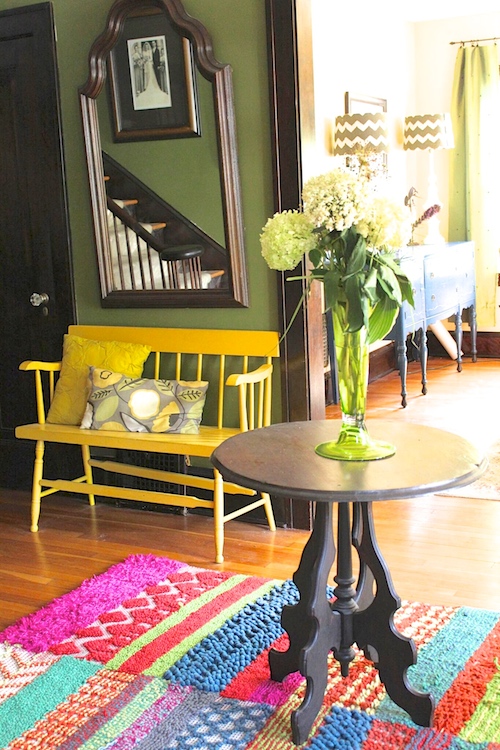
So please come share in this goodness, will you? It’s so lovely to have Sara — and her fabulous hot pink dining room chairs! — here with us today. Welcome, Sara.
By Gabrielle.
While I devoured Sara’s words, I underlined a few poignant lines to remember forever. She’s a psychologist! Of course! Of course she would possess all the answers to life’s — and parenting’s — burning questions.
But here’s what I enjoyed so much about Sara: She’s not afraid to admit she doesn’t have all the answers. She watches people she thinks are wise. She asks questions. And she says things like “I don’t know the answer to that; I’ve never been the parent of a six year old before.” I love it all.
So please come share in this goodness, will you? It’s so lovely to have Sara — and her fabulous hot pink dining room chairs! — here with us today. Welcome, Sara.
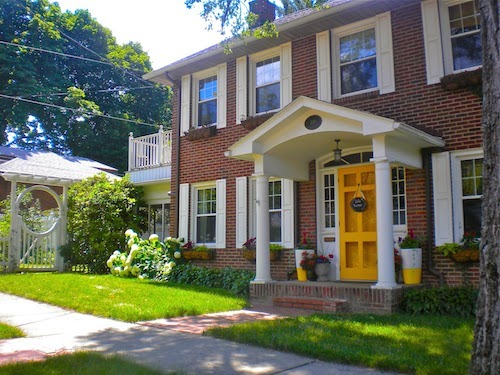
 We live in a historic neighborhood in Wooster Ohio, two blocks over from the College of Wooster. Our street is lined with hundred year-old trees and joined by a red brick road. Growing up, I lived on a brick road in another town and have fond memories of hot sticky summers that began with bare feet on warm pavement and ended enjoying fireflies and crickets through the screens. I wanted the same for my future kids.
 When we moved here for my job as a psychologist, I spent my lunch break canvasing this neighborhood for a For Sale sign. I loved that all of the houses were unique and when I spotted a sign in the yard, I made an appointment for a viewing that day.
…
When we moved here for my job as a psychologist, I spent my lunch break canvasing this neighborhood for a For Sale sign. I loved that all of the houses were unique and when I spotted a sign in the yard, I made an appointment for a viewing that day.
… The Monstrous Act of Birth
 By Gabrielle. Uterus print by Mathilde Cinq Mars.
I read an essay, called Monstrous Births, over the weekend and can’t stop thinking about it. The author, Sarah Blackwood, talks about the history of child birth and how it has often been moralized — like Eve being cursed and told that childbirth would be difficult because of her actions. Ms. Blackwood compares that with the modern ways we moralize birth — putting pressure on women to have a natural birth or even talking about birth as an empowering act. The author then describes the births of her own 2 children, which were very difficult, and suggests that maybe we should think of birth as an amoral (not immoral, but amoral) action instead of a moral one.
The essay really resonated with me. Unlike the author, I’ve experienced child birth six different times, and yet all of them fell in the “typical birth experience” range and didn’t require much intervention. For me the resonation came from the description of birth as amoral. I totally related to that idea, though I’ve never thought to use that word.
Child birth didn’t feel empowering to me. It didn’t feel un-empowering either. Instead it felt to me mostly like a biological process — a difficult one, but one that my body was designed to go through. I didn’t necessarily feel pride at what my body did because I didn’t feel like I could even take credit for it. (In fact, if I did take credit for it, then would that mean that women who couldn’t experience the relatively easy kind of births I had should feel the opposite of pride? Shame or guilt?) I remember thinking that in theory even if I had been passed out, my body could have birthed the baby. So why would I be proud of something that could happen when I wasn’t even aware of it?
Now I say all that, but I completely understand that other women experience birth, and think about birth, very differently than I did. I don’t doubt for a minute that there are women who feel very empowered by birth. I don’t doubt this, because I know many of these women and absolutely trust the experiences they’ve had. I simply think this is one of those cases where people are different and experience things in different ways. And of course, we all use different narratives to help our brains understand the world.
In the essay, the author mentions that sometimes we dismiss the hardships of childbirth and say something like, “Well, as long as the baby is healthy.” But she suggests that is actually a really misogynistic thing to say. I’d never thought of it that way, but I see her point. Why would the baby always have more value than the woman giving birth (especially considering some of the women giving birth are practically children themselves)?
What about you? How do you feel about thinking of birth as an amoral action, as more of a biological process than a moral one? Did you feel empowered by birth? Did you feel pressured to have a certain kind of birth (natural, home, water, epidural)? Or certain kind of birth experience (empowering, spiritual, wholesome, calm, dramatic)? For anyone who is expecting at the moment, are you looking forward to the birth experience, or dreading it? If you get a chance to read the essay, I would love to discuss this topic with you.
P.S. — I’m well aware that talking about child birth can bring out the judgey-ness in anyone. So I ask you now to please refrain from telling someone else how they should experience birth. Instead, feel free to share your own experiences and how you think about them.
By Gabrielle. Uterus print by Mathilde Cinq Mars.
I read an essay, called Monstrous Births, over the weekend and can’t stop thinking about it. The author, Sarah Blackwood, talks about the history of child birth and how it has often been moralized — like Eve being cursed and told that childbirth would be difficult because of her actions. Ms. Blackwood compares that with the modern ways we moralize birth — putting pressure on women to have a natural birth or even talking about birth as an empowering act. The author then describes the births of her own 2 children, which were very difficult, and suggests that maybe we should think of birth as an amoral (not immoral, but amoral) action instead of a moral one.
The essay really resonated with me. Unlike the author, I’ve experienced child birth six different times, and yet all of them fell in the “typical birth experience” range and didn’t require much intervention. For me the resonation came from the description of birth as amoral. I totally related to that idea, though I’ve never thought to use that word.
Child birth didn’t feel empowering to me. It didn’t feel un-empowering either. Instead it felt to me mostly like a biological process — a difficult one, but one that my body was designed to go through. I didn’t necessarily feel pride at what my body did because I didn’t feel like I could even take credit for it. (In fact, if I did take credit for it, then would that mean that women who couldn’t experience the relatively easy kind of births I had should feel the opposite of pride? Shame or guilt?) I remember thinking that in theory even if I had been passed out, my body could have birthed the baby. So why would I be proud of something that could happen when I wasn’t even aware of it?
Now I say all that, but I completely understand that other women experience birth, and think about birth, very differently than I did. I don’t doubt for a minute that there are women who feel very empowered by birth. I don’t doubt this, because I know many of these women and absolutely trust the experiences they’ve had. I simply think this is one of those cases where people are different and experience things in different ways. And of course, we all use different narratives to help our brains understand the world.
In the essay, the author mentions that sometimes we dismiss the hardships of childbirth and say something like, “Well, as long as the baby is healthy.” But she suggests that is actually a really misogynistic thing to say. I’d never thought of it that way, but I see her point. Why would the baby always have more value than the woman giving birth (especially considering some of the women giving birth are practically children themselves)?
What about you? How do you feel about thinking of birth as an amoral action, as more of a biological process than a moral one? Did you feel empowered by birth? Did you feel pressured to have a certain kind of birth (natural, home, water, epidural)? Or certain kind of birth experience (empowering, spiritual, wholesome, calm, dramatic)? For anyone who is expecting at the moment, are you looking forward to the birth experience, or dreading it? If you get a chance to read the essay, I would love to discuss this topic with you.
P.S. — I’m well aware that talking about child birth can bring out the judgey-ness in anyone. So I ask you now to please refrain from telling someone else how they should experience birth. Instead, feel free to share your own experiences and how you think about them. Random Thoughts
 Photo and text by Gabrielle.
Welcome to August’s installment of my random thoughts. Also, Hello from Paris! Feel free to share your own random thoughts in the comments.
– Today we left Normandy. It was a teary goodbye. I think it might be my favorite place ever. We are spending a few days in Paris before we catch our flight home on Saturday morning. Except for me, Betty & June, no one else in our family has been to Paris this summer, so everyone is excited to get a little time here. We’ll do some school shopping, see a museum or two, and watch the Eiffel Tower sparkle at night. I asked each kid to decide what their top priorities are for our few days here, and we’re working hard to see how many we can accommodate.
My pick is to visit Les Puces, the famed Paris Flea Market — which I’ve never done! But if I understand correctly it’s only held on Saturday, Sunday and Monday, and we leave early Saturday, which means we’ll miss it. Bummer! Have you ever been?
– School starts on Monday. Which seems almost unfathomable to me because this summer has gone so fast. But happily, we have lots of new school experiences to look forward to. Maude is starting her senior year, Olive is starting high school, Oscar is starting middle school. And Betty and June will return to our elementary school as 5th and 1st graders. (And you can bet we’ve picked up a bunch of adorable French school supplies to put in their back packs.)
– As for Ralph, he’s also got a big new experience happening. Ralph is heading to Bogota, Colombia on a mission! He leaves in about 3 weeks. As you can imagine, he’s super excited. He can’t wait to learn Spanish and he’s already falling in love with Colombia — mostly because he’s reading One Hundred Years of Solitude. (Such an amazing book! Have you read anything by Gabriel Garcia Marquez?)
When we get back to The States, we’ll be in serious mission prep mode, including a wisdom teeth appointment and tackling the packing list. Ralph will be giving a talk at church — it’s a missionary tradition — on Sunday the 11th, a couple of days before he heads out. (To our friends in the Bay Area, you are all invited! I’ll share details on Facebook.)
– Next week we have two birthdays. Olive on the 25th and Ralph on the 26th. We’re guessing that re-entry, and the new school year, may leave us feeling overwhelmed next week, so we’ll be keeping the celebrations simple, and pushing back friend gatherings by a week or two. Have you ever hosted a delayed birthday party?
– Remember the Treehouse master bedroom and bathroom renovation that has been happening while we’re in France? Well, it’s not all the way done yet, but we’re down to the finishing surfaces. So that’s awesome! As awesome as it is, I realize it still means we’re coming home to a not-wholly-useable house. Not ideal, but what can you do? These things happen.
I’m super excited to see the new spaces in person, and I’m over-the-moon-grateful that most of the work — and all the really dusty stuff — is already done. Woo hoo! Of course, I’ll be sharing lots of updates once I’m there and can take some photos.
– Related, we’ll be coming home to a little more added chaos, because it turns out our washing machine developed a leak while we’ve been gone, warping the wood floors it sits on. Dang! The washing machine and dryer came with the house, and they were already old when we moved in, so we knew they would need to be replaced eventually. And it looks like eventually has turned into now. : ) Has anyone reading researched washer and dryer sets recently? Is Consumer Reports the way to go? I’m thinking back, and I can’t remember the last time we had to buy a set. I welcome any and all advice about shopping for a new pair. Do you love your washer and dryer?
– Over the last couple of weeks, I was surprised to realize that I was slowing down and posting less on social media. I was thinking about why that might be and I’m not quite sure. But I think it’s something about this particular summer. It’s been really wonderful. Incredible and magical in so many ways, with a delicious concentrated dose of family time. There were dinner parties and old friends and gorgeous views and so many adventures, and yet I’m feeling hesitant about sharing it. It’s like I find myself almost hoarding the summer, or protecting it and wanting to keep it all for myself. Does that even make sense?
Maybe I’ll feel differently in a few weeks and write all about it. Or maybe I’ll end up just keeping some of these memories in my head. We’ll see. Have any of you ever felt like that?
– We’ve got a few big weeks ahead of us and I can feel myself mentally preparing. As I’ve mentioned, I really enjoy a full schedule, but I can always tell I’ve overdone it when I find myself looking at a future date on the calendar and thinking about how I just need to make it to that future date and then I can relax, instead of enjoying what’s actually happening. This morning, I realized I’m doing that now — looking ahead to sometime in September. So I’m trying to figure out what I can cut out or simplify or say no to. (I say that while being fully aware I’m not very good at saying no to things.)
– Even though I know the weeks ahead are going to be challenging, I can still say with ease and enthusiasm: I can’t wait to get home! Coming home is just the best. It feels so good. My own bed. My own dishes. My own desk. I’m really looking forward to getting on a good fall schedule. I really do enjoy back-to-school season. It’s such a great time for making a fresh start.
I think that’s it for now. Please feel free to respond to anything here, or bring up your own topic. I always love hearing what’s on your minds!
P.S. — I post my random thoughts each month. You can find them all here.
Photo and text by Gabrielle.
Welcome to August’s installment of my random thoughts. Also, Hello from Paris! Feel free to share your own random thoughts in the comments.
– Today we left Normandy. It was a teary goodbye. I think it might be my favorite place ever. We are spending a few days in Paris before we catch our flight home on Saturday morning. Except for me, Betty & June, no one else in our family has been to Paris this summer, so everyone is excited to get a little time here. We’ll do some school shopping, see a museum or two, and watch the Eiffel Tower sparkle at night. I asked each kid to decide what their top priorities are for our few days here, and we’re working hard to see how many we can accommodate.
My pick is to visit Les Puces, the famed Paris Flea Market — which I’ve never done! But if I understand correctly it’s only held on Saturday, Sunday and Monday, and we leave early Saturday, which means we’ll miss it. Bummer! Have you ever been?
– School starts on Monday. Which seems almost unfathomable to me because this summer has gone so fast. But happily, we have lots of new school experiences to look forward to. Maude is starting her senior year, Olive is starting high school, Oscar is starting middle school. And Betty and June will return to our elementary school as 5th and 1st graders. (And you can bet we’ve picked up a bunch of adorable French school supplies to put in their back packs.)
– As for Ralph, he’s also got a big new experience happening. Ralph is heading to Bogota, Colombia on a mission! He leaves in about 3 weeks. As you can imagine, he’s super excited. He can’t wait to learn Spanish and he’s already falling in love with Colombia — mostly because he’s reading One Hundred Years of Solitude. (Such an amazing book! Have you read anything by Gabriel Garcia Marquez?)
When we get back to The States, we’ll be in serious mission prep mode, including a wisdom teeth appointment and tackling the packing list. Ralph will be giving a talk at church — it’s a missionary tradition — on Sunday the 11th, a couple of days before he heads out. (To our friends in the Bay Area, you are all invited! I’ll share details on Facebook.)
– Next week we have two birthdays. Olive on the 25th and Ralph on the 26th. We’re guessing that re-entry, and the new school year, may leave us feeling overwhelmed next week, so we’ll be keeping the celebrations simple, and pushing back friend gatherings by a week or two. Have you ever hosted a delayed birthday party?
– Remember the Treehouse master bedroom and bathroom renovation that has been happening while we’re in France? Well, it’s not all the way done yet, but we’re down to the finishing surfaces. So that’s awesome! As awesome as it is, I realize it still means we’re coming home to a not-wholly-useable house. Not ideal, but what can you do? These things happen.
I’m super excited to see the new spaces in person, and I’m over-the-moon-grateful that most of the work — and all the really dusty stuff — is already done. Woo hoo! Of course, I’ll be sharing lots of updates once I’m there and can take some photos.
– Related, we’ll be coming home to a little more added chaos, because it turns out our washing machine developed a leak while we’ve been gone, warping the wood floors it sits on. Dang! The washing machine and dryer came with the house, and they were already old when we moved in, so we knew they would need to be replaced eventually. And it looks like eventually has turned into now. : ) Has anyone reading researched washer and dryer sets recently? Is Consumer Reports the way to go? I’m thinking back, and I can’t remember the last time we had to buy a set. I welcome any and all advice about shopping for a new pair. Do you love your washer and dryer?
– Over the last couple of weeks, I was surprised to realize that I was slowing down and posting less on social media. I was thinking about why that might be and I’m not quite sure. But I think it’s something about this particular summer. It’s been really wonderful. Incredible and magical in so many ways, with a delicious concentrated dose of family time. There were dinner parties and old friends and gorgeous views and so many adventures, and yet I’m feeling hesitant about sharing it. It’s like I find myself almost hoarding the summer, or protecting it and wanting to keep it all for myself. Does that even make sense?
Maybe I’ll feel differently in a few weeks and write all about it. Or maybe I’ll end up just keeping some of these memories in my head. We’ll see. Have any of you ever felt like that?
– We’ve got a few big weeks ahead of us and I can feel myself mentally preparing. As I’ve mentioned, I really enjoy a full schedule, but I can always tell I’ve overdone it when I find myself looking at a future date on the calendar and thinking about how I just need to make it to that future date and then I can relax, instead of enjoying what’s actually happening. This morning, I realized I’m doing that now — looking ahead to sometime in September. So I’m trying to figure out what I can cut out or simplify or say no to. (I say that while being fully aware I’m not very good at saying no to things.)
– Even though I know the weeks ahead are going to be challenging, I can still say with ease and enthusiasm: I can’t wait to get home! Coming home is just the best. It feels so good. My own bed. My own dishes. My own desk. I’m really looking forward to getting on a good fall schedule. I really do enjoy back-to-school season. It’s such a great time for making a fresh start.
I think that’s it for now. Please feel free to respond to anything here, or bring up your own topic. I always love hearing what’s on your minds!
P.S. — I post my random thoughts each month. You can find them all here. Living With Kids: Jen CK Jacobs
 By Gabrielle.
I love it when favorite guests from my Living With Kids tours come back for a revisit. Even better? When their stories take on a happily-ever-after element and we can all cheer them on while we peek in on their new home and their new life that’s changed for the beautiful in so many different ways. Even better than that? When they’re excited to share it all with the rest of us. It’s nice when that happens.
This is one of those stories. I’m so happy to welcome back Jen and the newest additions to her life. You’re going to enjoy this one. Promise.
By Gabrielle.
I love it when favorite guests from my Living With Kids tours come back for a revisit. Even better? When their stories take on a happily-ever-after element and we can all cheer them on while we peek in on their new home and their new life that’s changed for the beautiful in so many different ways. Even better than that? When they’re excited to share it all with the rest of us. It’s nice when that happens.
This is one of those stories. I’m so happy to welcome back Jen and the newest additions to her life. You’re going to enjoy this one. Promise.
 I’m Jen CK Jacobs (perhaps better known by my old name, Jen Altman). I’m a mother to six beautiful children — my own three daughters, Adie (12), Aela (10) and Ari (9) — and my three step-children, Charlotte (11), Barrett (8) and Genevieve (5). My husband and I are truly outnumbered! We are a house divided by fire and water — three fire signs, three water signs — all female; and our boys make up the air that fuels us…
 I started blogging about eight years ago. Both Nectar & Light (a predominately Polaroid blog) and Nectar (a lifestyle and cooking blog) earned a fair readership in their day…but life turned upside down and maintaining a blog became a bit cumbersome. My ex-husband and I separated in the summer of 2014, and my father died unexpectedly shortly there after.
 Still reeling from an impending divorce — I truly — for the first time in my life, allowed myself to fall apart when my dad died. He was the greatest man I knew. His shared love story with my mother is what everyone wishes upon the stars at night to experience; his quiet strength, unconditional love and the core of his character helped shape the woman I’m still in process of becoming. The loss was so great that the gaping wound in my chest will likely never heal. It becomes a little easier to live with as the days pass, but a photograph, a scent, a song can send a gust of cold air through that space and it feels as if we lost him yesterday.
 My focus became my mother and my family. My ex-husband and I made the life-altering decision to continue to work on our relationship outside of our marriage and we now have more love, patience, more gratitude and understanding for each other than we ever did when we were married. Healing was complex as it was intertwined with multiple layers of grieving and watching my mother try to function without the other half of her soul.
…
My focus became my mother and my family. My ex-husband and I made the life-altering decision to continue to work on our relationship outside of our marriage and we now have more love, patience, more gratitude and understanding for each other than we ever did when we were married. Healing was complex as it was intertwined with multiple layers of grieving and watching my mother try to function without the other half of her soul.
… Living With Kids: Tara Harvey
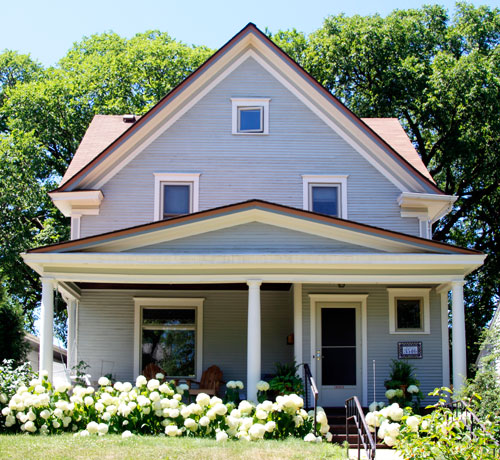 By Gabrielle. Family photos by Tiffany Kokal and house photos by Lisa Kellenberger.
We first met Tara two years ago when she talked about balancing her travel company, Knowmad Adventures, with her new baby, and mostly the idea that travel — and babies — can make us better people. Back then, little Trey helped Tara and her husband with their work-life balance: “We had a real problem letting Knowmad seep into every aspect of our lives. I actually had to make a rule once — no business in bed — so we wouldn’t talk about it until the wee hours of the night. I really wanted to be present for Trey when I was with him, every moment of every day.”
By Gabrielle. Family photos by Tiffany Kokal and house photos by Lisa Kellenberger.
We first met Tara two years ago when she talked about balancing her travel company, Knowmad Adventures, with her new baby, and mostly the idea that travel — and babies — can make us better people. Back then, little Trey helped Tara and her husband with their work-life balance: “We had a real problem letting Knowmad seep into every aspect of our lives. I actually had to make a rule once — no business in bed — so we wouldn’t talk about it until the wee hours of the night. I really wanted to be present for Trey when I was with him, every moment of every day.”
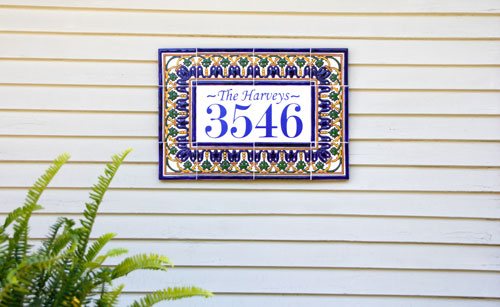 Trey is still a fabulous influence on the family’s company and daily life, I’m pleased to report! Come see. Welcome back, Tara.
Our family started one snowy night in 2004 when Jordan kissed me after my parents’ annual Christmas party. Jordan and I, now coming up on seven years of marriage, actually knew each other from growing up. Orono, Minnesota is a small, lakeside town — one of the last stops from Minneapolis before you’re in farmland. Everyone knows everyone there and Jordan and I actually went to the same preschool, then flirted with each other through high school, and then went separate ways for college.
Trey is still a fabulous influence on the family’s company and daily life, I’m pleased to report! Come see. Welcome back, Tara.
Our family started one snowy night in 2004 when Jordan kissed me after my parents’ annual Christmas party. Jordan and I, now coming up on seven years of marriage, actually knew each other from growing up. Orono, Minnesota is a small, lakeside town — one of the last stops from Minneapolis before you’re in farmland. Everyone knows everyone there and Jordan and I actually went to the same preschool, then flirted with each other through high school, and then went separate ways for college.
 He was drawn to the mountains in Colorado and I went East for the big cities. It wasn’t until my last year of university that we reconnected at home and began our adventure together as a family.
Fast forward and the Harvey family has added some members: two-and-half-year old Trey, rescue-dog Luna, and our kitty Izzy who we lost last year and miss dearly — she’ll always be a part of our clan. I write about when Trey first became a part of our family, my pregnancy and babyhood, in the post Growing A Family: Trading Adventures.
…
He was drawn to the mountains in Colorado and I went East for the big cities. It wasn’t until my last year of university that we reconnected at home and began our adventure together as a family.
Fast forward and the Harvey family has added some members: two-and-half-year old Trey, rescue-dog Luna, and our kitty Izzy who we lost last year and miss dearly — she’ll always be a part of our clan. I write about when Trey first became a part of our family, my pregnancy and babyhood, in the post Growing A Family: Trading Adventures.
… Being Really Good at One Thing
 By Gabrielle. Photo of 41-year-old Olympic gymnast, Oksana Chusovitina.
I’m thinking of the Olympics today. Have you been watching? It’s fun and funny to watch it from France because it’s a whole different perspective — obviously the coverage is focused on the French athletes, and I’m getting to see events that I didn’t even know were part of the Olympics (hello, handball!).
Watching the games has reminded me of a topic that’s crossed my mind over the last year. I’ve been thinking about the benefits and disadvantages of being really focused and really good at one thing, versus being okay/fine/good at lots of things. I know there are some people who figure out a specific passion at a very early age. And of course there are parents who pick an activity for their young child, and the child ends up being amazing at it.
I guess I wonder how often it’s the first case (the child choosing), and how often it’s the second case (the parent choosing). I’m thinking of kids who grow up as almost full-time athletes or musicians or actors, with parents who started them on that road as babies or toddlers. Do the kids only love it because it’s all they’ve ever known? Would those kids have found the same passion on their own later in life (like as teens)? And would it be too late to really become amazing at it?
It seems like one of those tricky things, where windows of opportunity close to our kids before we even know the windows exist. If your 15-year-olds are watching the Olympics and wishing they were on the gymnastics team, even if they are willing to work like crazy, they’ve pretty much missed the window to participate in gymnastics at an Olympic level. (I realize there are exceptions, have you been following the 41-year-old?)
So as parents, if we want to give our kids a better chance at being world-class at something, do we try and guess what they might excel at, and then focus on that thing from the time they can walk and talk?
At our house, we’ve definitely done the try-it-all thinking. For example, music lessons. Our kids have taken, and continue to take, a whole bunch of lessons throughout their lives. So far, we’ve done cello, violin, piano, trombone, clarinet, trumpet, guitar, voice and ukulele. Four have been in the school band. Three have been in the school choir. They all love to play, and some even love to compose. Family jam sessions are not unusual. But I don’t think any of them think of themselves mainly as a musician. Should we have chosen one instrument for each of them at an early age and required them to focus on that one option until they were proficient? Should we be pushing them toward a career in music? (I’m not feeling regret or guilt here, just curious.)
I don’t have an answer to the question I’m asking. It’s just something I think about. And I hope I’m seeing the tradeoffs clearly. If my child focused on one activity 25+ hours per week, and they were really good at it, that seems like it would be a really positive experience. But, they may be missing out on other opportunities, or even feeling like they didn’t get a childhood. On the other hand, if my child tries a whole bunch of activities, and never really focuses, they may miss the chance to be really extraordinary at something, and they may end up feeling like they’re only mediocre at pretty much everything.
What’s your take? Do you ever think about this? Do you come to different conclusions? I’d love to hear! And do any of you have kids that consistently spend 25+ hours per week on a certain activity/sport? Or maybe you did as a kids? What is that like?
P.S. — I know some of my friends have lost interest in watching the Olympics — they feel like the games end up being too much of a burden on the host city and its citizens. I see their point, and definitely wonder about the requirements for new stadiums and venues that I fear won’t get much use after the games. Have your opinions on the Olympics changed?
By Gabrielle. Photo of 41-year-old Olympic gymnast, Oksana Chusovitina.
I’m thinking of the Olympics today. Have you been watching? It’s fun and funny to watch it from France because it’s a whole different perspective — obviously the coverage is focused on the French athletes, and I’m getting to see events that I didn’t even know were part of the Olympics (hello, handball!).
Watching the games has reminded me of a topic that’s crossed my mind over the last year. I’ve been thinking about the benefits and disadvantages of being really focused and really good at one thing, versus being okay/fine/good at lots of things. I know there are some people who figure out a specific passion at a very early age. And of course there are parents who pick an activity for their young child, and the child ends up being amazing at it.
I guess I wonder how often it’s the first case (the child choosing), and how often it’s the second case (the parent choosing). I’m thinking of kids who grow up as almost full-time athletes or musicians or actors, with parents who started them on that road as babies or toddlers. Do the kids only love it because it’s all they’ve ever known? Would those kids have found the same passion on their own later in life (like as teens)? And would it be too late to really become amazing at it?
It seems like one of those tricky things, where windows of opportunity close to our kids before we even know the windows exist. If your 15-year-olds are watching the Olympics and wishing they were on the gymnastics team, even if they are willing to work like crazy, they’ve pretty much missed the window to participate in gymnastics at an Olympic level. (I realize there are exceptions, have you been following the 41-year-old?)
So as parents, if we want to give our kids a better chance at being world-class at something, do we try and guess what they might excel at, and then focus on that thing from the time they can walk and talk?
At our house, we’ve definitely done the try-it-all thinking. For example, music lessons. Our kids have taken, and continue to take, a whole bunch of lessons throughout their lives. So far, we’ve done cello, violin, piano, trombone, clarinet, trumpet, guitar, voice and ukulele. Four have been in the school band. Three have been in the school choir. They all love to play, and some even love to compose. Family jam sessions are not unusual. But I don’t think any of them think of themselves mainly as a musician. Should we have chosen one instrument for each of them at an early age and required them to focus on that one option until they were proficient? Should we be pushing them toward a career in music? (I’m not feeling regret or guilt here, just curious.)
I don’t have an answer to the question I’m asking. It’s just something I think about. And I hope I’m seeing the tradeoffs clearly. If my child focused on one activity 25+ hours per week, and they were really good at it, that seems like it would be a really positive experience. But, they may be missing out on other opportunities, or even feeling like they didn’t get a childhood. On the other hand, if my child tries a whole bunch of activities, and never really focuses, they may miss the chance to be really extraordinary at something, and they may end up feeling like they’re only mediocre at pretty much everything.
What’s your take? Do you ever think about this? Do you come to different conclusions? I’d love to hear! And do any of you have kids that consistently spend 25+ hours per week on a certain activity/sport? Or maybe you did as a kids? What is that like?
P.S. — I know some of my friends have lost interest in watching the Olympics — they feel like the games end up being too much of a burden on the host city and its citizens. I see their point, and definitely wonder about the requirements for new stadiums and venues that I fear won’t get much use after the games. Have your opinions on the Olympics changed? Do Your Kids Pretend Play Like Toy Story?
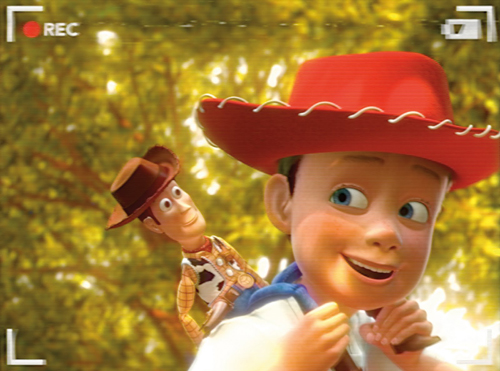 By Gabrielle. Image is a still from the movie.
I’ve got a question for you. On our drive to the South of France, the topic of Toy Story came up and I asked my kids, “Do you ever remember playing with your toys the way Andy in Toy Story does?”
It occurred to me that though they have all done lots of pretend play over the years, I’ve never seen them do anything even close to how Andy played with his toys — setting up a scenario and sort of acting it out. And as a kid myself, I don’t remember playing that way either.
That made me me wonder. Do other kids play like Andy does? Or was it just good imagination on the part of the screenwriters? I don’t mind at all if it was just made up for the benefit of the script, but I’m curious to know if it’s common and I just haven’t seen it in person.
I know that different kids use different play-styles, and I know there are certain toys that my kids never really got into, even though they were around — like racetracks and matchbox cars. I also have a distinct memory from my niece Edie’s second birthday. She received a doll and a little doll feeding set with a bib, and bottle and binkie. She was over the moon! She immediately started parenting the heck out of that doll — cradling it, feeding it, diapering it. It was the cutest thing! Ben Blair and I laughed that none of our 4 daughters, or 2 sons, ever played pretend parenting. And there were (and still are) lots of dolls around. As far as dolls go, mostly my kids like to dress them up and design outfits for them. Hah!
How about you? How did you play as a child? If you have kids (or grandkids), do they play the same or differently than you did? Any Toy Story types out there? Anyone reading that has never seen Toy Story and have no idea what I’m talking about? I’d love to hear!
By Gabrielle. Image is a still from the movie.
I’ve got a question for you. On our drive to the South of France, the topic of Toy Story came up and I asked my kids, “Do you ever remember playing with your toys the way Andy in Toy Story does?”
It occurred to me that though they have all done lots of pretend play over the years, I’ve never seen them do anything even close to how Andy played with his toys — setting up a scenario and sort of acting it out. And as a kid myself, I don’t remember playing that way either.
That made me me wonder. Do other kids play like Andy does? Or was it just good imagination on the part of the screenwriters? I don’t mind at all if it was just made up for the benefit of the script, but I’m curious to know if it’s common and I just haven’t seen it in person.
I know that different kids use different play-styles, and I know there are certain toys that my kids never really got into, even though they were around — like racetracks and matchbox cars. I also have a distinct memory from my niece Edie’s second birthday. She received a doll and a little doll feeding set with a bib, and bottle and binkie. She was over the moon! She immediately started parenting the heck out of that doll — cradling it, feeding it, diapering it. It was the cutest thing! Ben Blair and I laughed that none of our 4 daughters, or 2 sons, ever played pretend parenting. And there were (and still are) lots of dolls around. As far as dolls go, mostly my kids like to dress them up and design outfits for them. Hah!
How about you? How did you play as a child? If you have kids (or grandkids), do they play the same or differently than you did? Any Toy Story types out there? Anyone reading that has never seen Toy Story and have no idea what I’m talking about? I’d love to hear! Living With Kids: Brianna Van Dyke
 By Gabrielle. House photos by Katie Jenkins, and barn shot by Libby Newell.
Brianna has a barn and a to-die-over pantry and land and extra rooms and lots of old stuff and a magazine she writes from said barn, but what’s most interesting to me about her is how she is using all her space.
Hospitality. Welcoming guests into her life and almost forcing herself to do so, sometimes, because it involves so much more than simply inviting people over, right? No, hospitality is not easy. But, oh! The reward. I read once (probably on Pinterest!) that the word hospitality comes from two Greek words; one means love and the second means strangers. So sweet when it’s put like that.
By Gabrielle. House photos by Katie Jenkins, and barn shot by Libby Newell.
Brianna has a barn and a to-die-over pantry and land and extra rooms and lots of old stuff and a magazine she writes from said barn, but what’s most interesting to me about her is how she is using all her space.
Hospitality. Welcoming guests into her life and almost forcing herself to do so, sometimes, because it involves so much more than simply inviting people over, right? No, hospitality is not easy. But, oh! The reward. I read once (probably on Pinterest!) that the word hospitality comes from two Greek words; one means love and the second means strangers. So sweet when it’s put like that.
 Brianna, I’m happy to offer you some hospitality here today! Welcome to Design Mom. I can’t wait to share you with my readers.
Hello! I’m Brianna Van Dyke, and I live with my husband Jonathan in Fort Collins, Colorado, with our two kids Finnley (ten) and IlaJane (seven) and our three dogs. I’m a writer and editor and an introvert. I love words and seeking beauty and good conversation, and I’m passionate and driven and I have a perfectionist streak that sometimes gets the best of me. My kids and my husband teach me so much about extending grace to myself and to the people I love.
Brianna, I’m happy to offer you some hospitality here today! Welcome to Design Mom. I can’t wait to share you with my readers.
Hello! I’m Brianna Van Dyke, and I live with my husband Jonathan in Fort Collins, Colorado, with our two kids Finnley (ten) and IlaJane (seven) and our three dogs. I’m a writer and editor and an introvert. I love words and seeking beauty and good conversation, and I’m passionate and driven and I have a perfectionist streak that sometimes gets the best of me. My kids and my husband teach me so much about extending grace to myself and to the people I love.
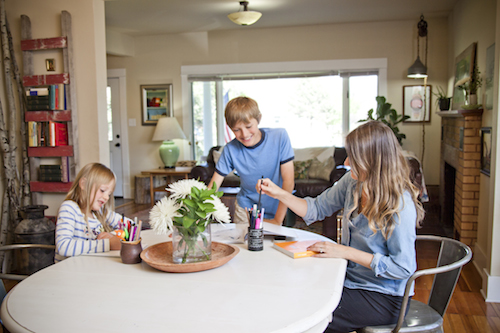 We live in Fort Collins, which is about an hour north of Denver. It’s known for all its breweries and is often called the Napa Valley of beer. There are also lots of great outdoor spaces to enjoy. One of our favorite family activities is rafting on the Cache La Poudre river and barbecuing along the river.
…
We live in Fort Collins, which is about an hour north of Denver. It’s known for all its breweries and is often called the Napa Valley of beer. There are also lots of great outdoor spaces to enjoy. One of our favorite family activities is rafting on the Cache La Poudre river and barbecuing along the river.
… Do You Have a Drivers License?
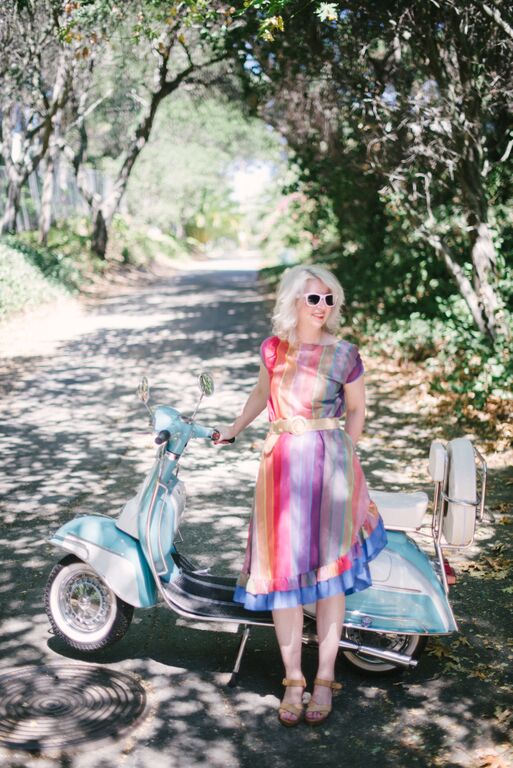
The other day, my friend Caroline pointed out the red A attached to the back of her car window. No it’s not a scarlet letter, it’s to indicate to other cars that there is an Adolecscent driver (her daughter) behind the wheel. It’s actually a law here in France. I don’t know the details — like how long it must remain in the window, and what ages are considered adolescent — but I think it’s smart. An easy heads up that the car in front of you has a relatively new driver, so you can cut them some slack (and maybe give them a wider than normal space on the road).
Teens in France can’t get their driver’s license until age 18. I was thinking about that, and then I saw this article from the Washington Post about how the car culture in America is dying.
I both related to the article, and felt a wave of nostalgia about the topic. I related to it, because while I was super excited to get my license, and took my driving test on my 16th birthday, my two oldest kids weren’t in a big hurry to get theirs at all — Maude was almost 17, and Ralph just got his before we left to France, at 18 and a half. But more than that, neither of them seems to enjoy driving that much — it seems more of a task for them than a pleasure (which I realize could partly be California traffic).
Additionally, I don’t know that they feel the same freedom that driving gave me as a teen. My car literally connected me to my friends and their homes after school and on the weekends. But with cell phones, my kids are connected to their friends all the time, with or without a car. Anything they need or want can be delivered to their door easily. For them, a car, and driving, is optional. In fact, I feel like I know lots of 16-and-older kids in Oakland that don’t have a license. It’s a costly, time-intensive thing to get. And then there’s the cost of owning a car. It’s easy to skip it and use buses, trains, and ubers instead — or just bum a ride from a friend.
It’s taken me awhile to realize that driving for my kids is simply going to be a different thing than it has been for me. And my younger kids may never learn to drive at all. Learning to drive and owning a car may end up becoming a hobby instead of an almost universal American need.
That’s where the wave of nostalgia comes in. I have lots of happy memories around cars and driving. My dad was always buying and selling cars, a wide range of them, and I formed opinions about which ones I liked best from an early age. There are certain vintage models that make my heart sing! And I can list you the favorite cars I’ve owned, like the ’83 red Landcruiser and the vintage 4L Renault. Of course, I’m not the only one. Sometimes it seems like growing up in America includes having opinions about cars and connecting them to your identity. My experience is not unusual.
But times are changing. In cities, programs that offer shared “ownership” of cars are taking hold. Things like Car2Go and Zipcars. The whole community shares them, there is always one available and nearby, and you just drive them as needed. That appeals to me too. The idea of not needing to personally own and care for a car, but having one available, sounds really good.
Even with six kids, we’ve been a one car family for almost our entire marriage. It’s easy for us because we work at home. But with more drivers in the house, we’re thinking about adding a second car this fall. Though we’re not totally convinced. When we do the math, and add up insurance, car payment, fuel and maintenance, setting aside a budget for public transit + uber/lyft would cost about as much and take up less time and thought.
All this makes me curious. Do you have your driver’s license? If you have kids 16 or older, do they? Do you feel attitudes about driving are changing for teens? Are cars important to you personally? Do you connect them with your identity? Like, are there certain cars you would never drive or own because they don’t fit your image? Or are you A-OK with any vehicle as long as it gets you from point A to point B in comfort and on time? And beyond the car, what about driving itself? If you had access to a self-driving car would you be happy to give up driving? Or do you love the act of driving?
P.S. — I shared this article on Friday, but in case you missed it, it relates to this topic. It’s a vision of what a city might look like when the average citizen doesn’t need to own a car, and all cars are self-driving.
Mont St. Michel — Pilgrimage Report
 By Gabrielle. Photos by Ben Blair.
As I mentioned, last week, Ben Blair and the 4 oldest kids — Ralph (18), Maude (17), Olive (15) & Oscar (11) — took a pilgrimage to Mont St. Michel. Those of us left behind — Betty (10), June (6) and me — missed them like crazy and distracted ourselves with Paris.
Happily for anyone who is curious, as we drove to the South of France yesterday, I interviewed Ben Blair and the 4 oldest kids about their pilgrimage experience, and I’ve typed it all up, ready to share.
First, let’s talk about some basics. Once you know the path, anyone can make a pilgrimage, but it’s common to go with a group. We heard about this particular group from Charles. He’s Ralph’s dear friend and he lived with us in Oakland a couple of years ago. Charles did this pilgrimage with his scout group, and this time around, Charles’ father Eric, came on the hike and helped us make arrangements ahead of time.
This pilgrimage was led by Bertrand, owner of a bar called The Secret Knight, and author of a book called The Mystery of Mont St Michel. Bertrand has gone on the pilgrimage over 50 times! In addition to Bertrand, there were other experienced pilgrims in attendance — about ten of them.
The pilgrimage is free, though it’s customary to offer a donation (approximately 20 euros per day). You bring a rack backpack with clothes, a towel, sleeping bag, tent, hat, etc. But y0u don’t need to pack food. You can bring snacks (of course), but you purchase meals at stops along the way. Which is great because the pilgrimage is long, and you want to pack light.
The total distance is about 75 miles. That’s a lot of walking!
By Gabrielle. Photos by Ben Blair.
As I mentioned, last week, Ben Blair and the 4 oldest kids — Ralph (18), Maude (17), Olive (15) & Oscar (11) — took a pilgrimage to Mont St. Michel. Those of us left behind — Betty (10), June (6) and me — missed them like crazy and distracted ourselves with Paris.
Happily for anyone who is curious, as we drove to the South of France yesterday, I interviewed Ben Blair and the 4 oldest kids about their pilgrimage experience, and I’ve typed it all up, ready to share.
First, let’s talk about some basics. Once you know the path, anyone can make a pilgrimage, but it’s common to go with a group. We heard about this particular group from Charles. He’s Ralph’s dear friend and he lived with us in Oakland a couple of years ago. Charles did this pilgrimage with his scout group, and this time around, Charles’ father Eric, came on the hike and helped us make arrangements ahead of time.
This pilgrimage was led by Bertrand, owner of a bar called The Secret Knight, and author of a book called The Mystery of Mont St Michel. Bertrand has gone on the pilgrimage over 50 times! In addition to Bertrand, there were other experienced pilgrims in attendance — about ten of them.
The pilgrimage is free, though it’s customary to offer a donation (approximately 20 euros per day). You bring a rack backpack with clothes, a towel, sleeping bag, tent, hat, etc. But y0u don’t need to pack food. You can bring snacks (of course), but you purchase meals at stops along the way. Which is great because the pilgrimage is long, and you want to pack light.
The total distance is about 75 miles. That’s a lot of walking!
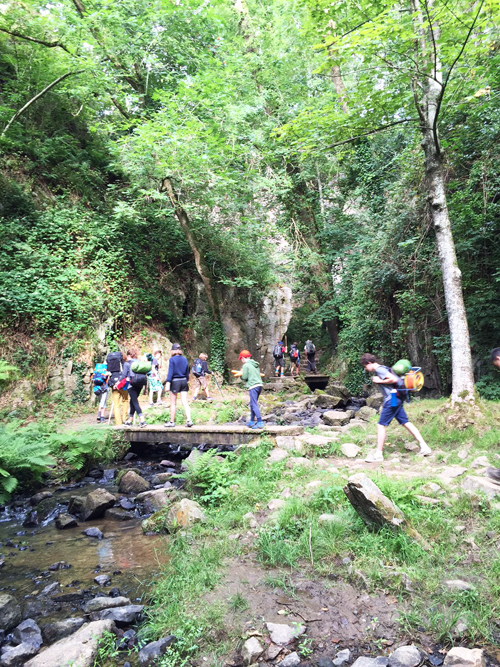 In this group, there were about 50 people. Ages ranged from 9 to 75 with a fairly even distribution along that age range. Pretty much everyone had heard about it from word of mouth. Some people were hiking with a group or a friend, but many came as individuals and didn’t know anyone else at all. Here are some basic profiles of people in the group:
– A woman who earns her living by singing folk songs to kids.
– A group of Scouts from Lyon (scout is pronounced “scoot” in French, which is surely the most charming thing ever). A mix of girls and boys, age 14 to 17. There are lots of different types of scouts in France. Different form the American version, this organization of scouts doesn’t do merit badges, just adventures. None of these scouts had ever seen Mont St Michel before.
– An older group of couples who had self organized and already done a pilgrimage circle in the middle of France. Now were trying this one.
– A French woman who had lived and worked all over the world, including 4 years in Hells Kitchen (Manhattan), plus South America and Antartica.
– A man who had lived in the same town for 30 years, but had lost his job and found his family in these pilgrimages.
– A Belgian man who feels like he’s done with Belgium and wants to join the Swiss army next. His wife lives in Istanbul with his daughter.
– A man who had a Tarot progression on his staff. (I know almost nothing about Tarot and had to look this up.) Speaking of which, most people brought a staff or walking poles. Some staffs had been found on previous pilgrimages.
– My kids learned that sometimes pilgrims won’t eat during the whole pilgrimage, but only drink water. And sometimes pilgrims do the whole trail in silence. In this group, no one was doing either completely. But there was one woman who didn’t talk during the hikes, only during the breaks.
– Most people in the group were spiritual but not religious. (I note that because this particular pilgrimage is tied to Catholicism.)
– Ben Blair and the kids were the first Americans that Bertrand had ever led.
In this group, there were about 50 people. Ages ranged from 9 to 75 with a fairly even distribution along that age range. Pretty much everyone had heard about it from word of mouth. Some people were hiking with a group or a friend, but many came as individuals and didn’t know anyone else at all. Here are some basic profiles of people in the group:
– A woman who earns her living by singing folk songs to kids.
– A group of Scouts from Lyon (scout is pronounced “scoot” in French, which is surely the most charming thing ever). A mix of girls and boys, age 14 to 17. There are lots of different types of scouts in France. Different form the American version, this organization of scouts doesn’t do merit badges, just adventures. None of these scouts had ever seen Mont St Michel before.
– An older group of couples who had self organized and already done a pilgrimage circle in the middle of France. Now were trying this one.
– A French woman who had lived and worked all over the world, including 4 years in Hells Kitchen (Manhattan), plus South America and Antartica.
– A man who had lived in the same town for 30 years, but had lost his job and found his family in these pilgrimages.
– A Belgian man who feels like he’s done with Belgium and wants to join the Swiss army next. His wife lives in Istanbul with his daughter.
– A man who had a Tarot progression on his staff. (I know almost nothing about Tarot and had to look this up.) Speaking of which, most people brought a staff or walking poles. Some staffs had been found on previous pilgrimages.
– My kids learned that sometimes pilgrims won’t eat during the whole pilgrimage, but only drink water. And sometimes pilgrims do the whole trail in silence. In this group, no one was doing either completely. But there was one woman who didn’t talk during the hikes, only during the breaks.
– Most people in the group were spiritual but not religious. (I note that because this particular pilgrimage is tied to Catholicism.)
– Ben Blair and the kids were the first Americans that Bertrand had ever led.
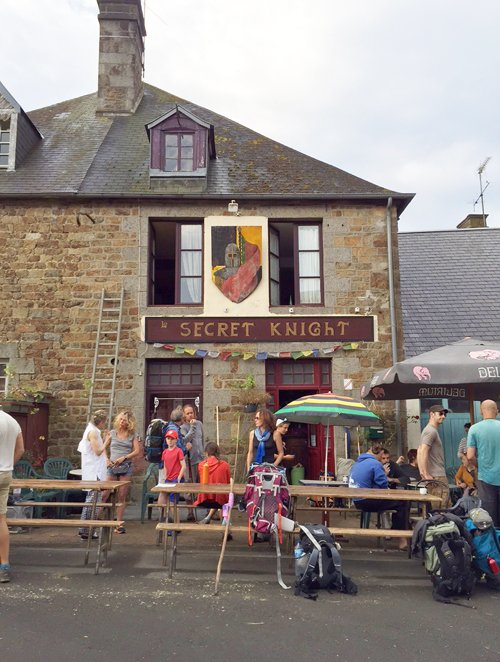 Day 1 – Wednesday
The group met at Bertrand’s cafe/bar near Domfront early in the morning. Everyone was pretty much strangers. The leaders went over the schedule and introduced the experienced pilgrims so people would know who to ask for help.
Day 1 – Wednesday
The group met at Bertrand’s cafe/bar near Domfront early in the morning. Everyone was pretty much strangers. The leaders went over the schedule and introduced the experienced pilgrims so people would know who to ask for help.
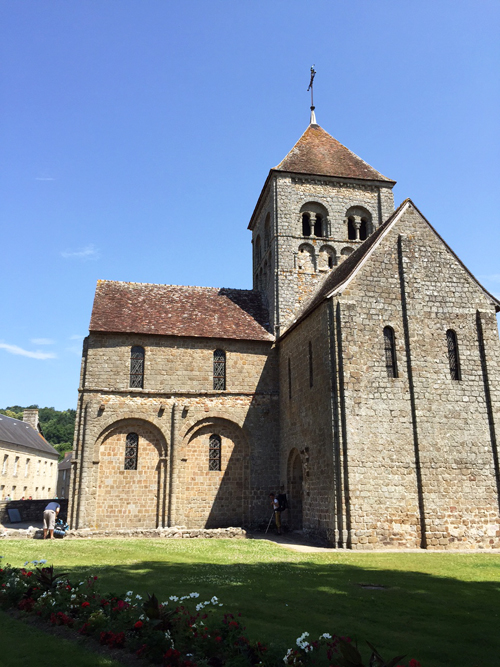 Over the course of the day, they hiked 19 kilometers. They went through Domfront and stopped at the Roman church there — one of the oldest churches in Normandy.
When they needed water, they would stop at a home along the way and the owner would refill everyone’s canteens. They walked on dirt roads and paved roads, passing crosses and churches, and lots of stone country houses.
The path that day featured beautiful vistas of hedged fields, Norman cows, and the dreamy countryside.
Over the course of the day, they hiked 19 kilometers. They went through Domfront and stopped at the Roman church there — one of the oldest churches in Normandy.
When they needed water, they would stop at a home along the way and the owner would refill everyone’s canteens. They walked on dirt roads and paved roads, passing crosses and churches, and lots of stone country houses.
The path that day featured beautiful vistas of hedged fields, Norman cows, and the dreamy countryside.
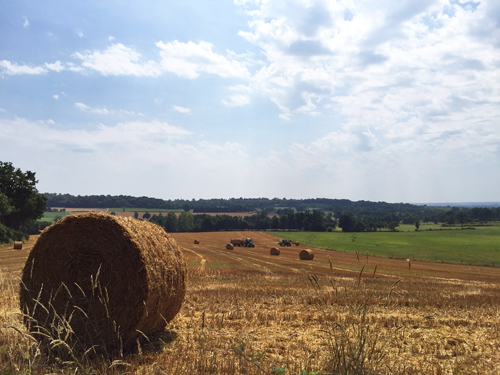 While in Domfront, hikers bought lunch supplies at a small grocery store, then hiked about 20 minutes up a hill. In a clearing in a forested area, people stopped for an hour and a half for lunch and naps. Ben and the kids laughed to see that every single group had Camembert cheese and baguette as part of their meal.
After the lunch break, there was more hiking with breaks as needed. People were chatting and getting to know each other. Chatting was almost entirely in French, though sometimes people would speak to our kids in English if they wanted to practice. Something funny: At every break, a good portion of the hikers would smoke — which was an incongruous scene to American eyes. I don’t think I’ve ever seen an American backpacker smoking. Hah!
While in Domfront, hikers bought lunch supplies at a small grocery store, then hiked about 20 minutes up a hill. In a clearing in a forested area, people stopped for an hour and a half for lunch and naps. Ben and the kids laughed to see that every single group had Camembert cheese and baguette as part of their meal.
After the lunch break, there was more hiking with breaks as needed. People were chatting and getting to know each other. Chatting was almost entirely in French, though sometimes people would speak to our kids in English if they wanted to practice. Something funny: At every break, a good portion of the hikers would smoke — which was an incongruous scene to American eyes. I don’t think I’ve ever seen an American backpacker smoking. Hah!
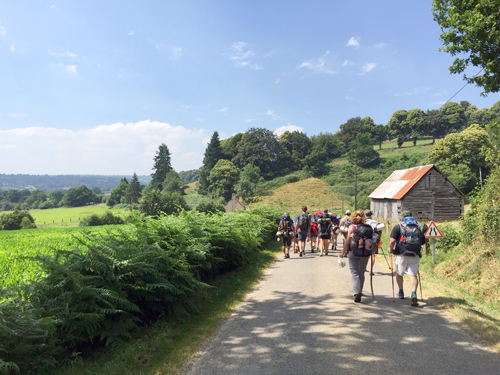 At the end of the day, the pilgrims ended at Lonlay Abbey. Once at the Abbey, people sought out dinner — there was a cafe nearby. Ben says the group was feeling really connected and accomplished. They had finished their first day! People were sharing food, playing frisbee behind the abbey, playing songs on the guitar, and chatting. That evening, a woman who was among the group of older couples, tried weed for the first time at the urging of her travel companions. Something for the group to laugh about. : ) Late that night, the hikers played Scout games.
The Abbey was totally open, no locked doors anywhere, making it easy to explore. Some people slept in tents outside, others slept in the Abbey on sleeping pads, with sleeping bags. Ralph and Maude slept in the Abbey attic underneath a Joan of Arc statue. There were closets full of old books.
At the end of the day, the pilgrims ended at Lonlay Abbey. Once at the Abbey, people sought out dinner — there was a cafe nearby. Ben says the group was feeling really connected and accomplished. They had finished their first day! People were sharing food, playing frisbee behind the abbey, playing songs on the guitar, and chatting. That evening, a woman who was among the group of older couples, tried weed for the first time at the urging of her travel companions. Something for the group to laugh about. : ) Late that night, the hikers played Scout games.
The Abbey was totally open, no locked doors anywhere, making it easy to explore. Some people slept in tents outside, others slept in the Abbey on sleeping pads, with sleeping bags. Ralph and Maude slept in the Abbey attic underneath a Joan of Arc statue. There were closets full of old books.
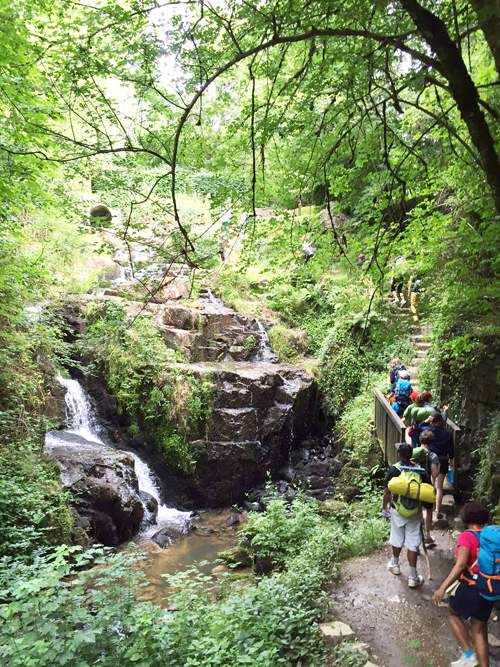 Day 2 – Thursday
They left the Abbey in the morning and ended up walking 30 kilometers that day. They said it was by far the most scenic day and had the steepest climbs.
They hiked through Fosse d’Arthur — where it’s believed the legend of King Arthur came to be, and that Merlin the Enchanter (enchanter = friendly wizard in French) is trapped in the rocks nearby. Arthur and Guinevere are rumored to be buried along the trail.
There was a stream/pool at Fosse d’Arthur where people swam.
Day 2 – Thursday
They left the Abbey in the morning and ended up walking 30 kilometers that day. They said it was by far the most scenic day and had the steepest climbs.
They hiked through Fosse d’Arthur — where it’s believed the legend of King Arthur came to be, and that Merlin the Enchanter (enchanter = friendly wizard in French) is trapped in the rocks nearby. Arthur and Guinevere are rumored to be buried along the trail.
There was a stream/pool at Fosse d’Arthur where people swam.
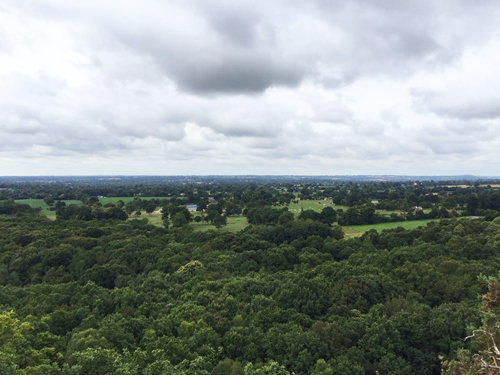 From the top of a hill near Fosse d’Arthur there was an amazing view, and a cross that looks like it was cut out of a granite mountain.
Again, there was an hour and a half stop for lunch. The hour and a half would start when the last person in the group arrived. So the first hikers would end up getting a longer break. Our kids figured this out, and stayed near the front of the group as they hiked so they could take advantage of the longest breaks.
The group finished the day in Mortain (a town that was captured and recaptured 5 times during WWII). The hike that day ended at the top of a high lookout hill with stunning views of the whole countryside. A loooong way off you could just see the tiny Mont St. Michel.
People slept in tents or under the stars that night. It ended up raining a bit, so in the middle of the night those under the stars had to pitch tents. Some people slept near a waterfall.
From the top of a hill near Fosse d’Arthur there was an amazing view, and a cross that looks like it was cut out of a granite mountain.
Again, there was an hour and a half stop for lunch. The hour and a half would start when the last person in the group arrived. So the first hikers would end up getting a longer break. Our kids figured this out, and stayed near the front of the group as they hiked so they could take advantage of the longest breaks.
The group finished the day in Mortain (a town that was captured and recaptured 5 times during WWII). The hike that day ended at the top of a high lookout hill with stunning views of the whole countryside. A loooong way off you could just see the tiny Mont St. Michel.
People slept in tents or under the stars that night. It ended up raining a bit, so in the middle of the night those under the stars had to pitch tents. Some people slept near a waterfall.
 Day 3 – Friday
The 3rd day was the hardest in Ralph’s opinion. He said it was unforgiving because it was like one straight line on a dirt road. No ups and downs. The lack of variation made it seem like no progress was being made. Plus they were tired from the day before.
Day 3 – Friday
The 3rd day was the hardest in Ralph’s opinion. He said it was unforgiving because it was like one straight line on a dirt road. No ups and downs. The lack of variation made it seem like no progress was being made. Plus they were tired from the day before.
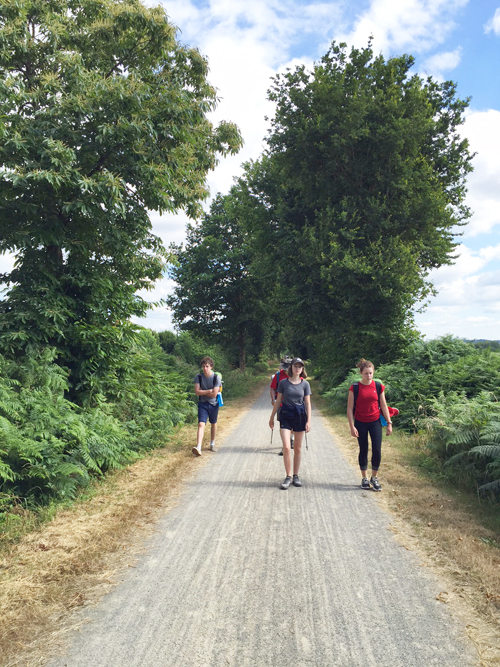 They did another 30 kilometers that day. Sometimes, they would see bikers going by, but no motorized vehicles on the road were allowed.
Sometimes the group would be mostly hiking together, other times people would be spread out far along the trail.
They did another 30 kilometers that day. Sometimes, they would see bikers going by, but no motorized vehicles on the road were allowed.
Sometimes the group would be mostly hiking together, other times people would be spread out far along the trail.
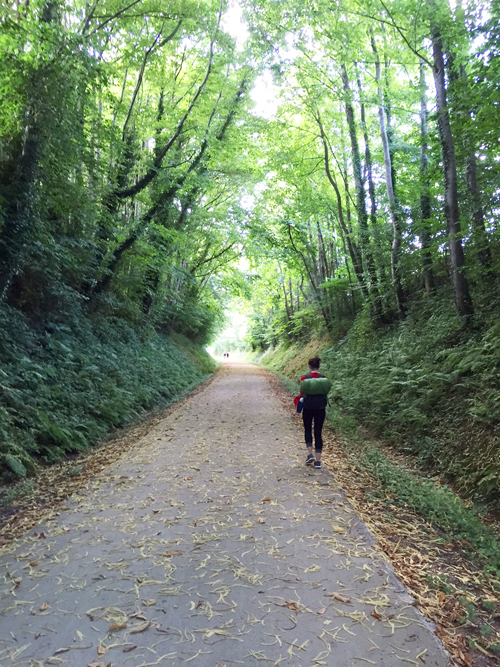 Again, there was an hour and a half break for lunch.
By now members of the group, who had been strangers before, were becoming good friends — though there were so many people that Ben says he was still having first conversations with some of them on the 3rd day. He said, the conversations were long — you would talk for 2 hours or so as you hiked, and you’d really get to know people. What other environments do you just talk with a stranger for several hours?
He also said there was no sense of being in a hurry, no sense of pick up the pace or let’s get going. It was just a simple, steady hike.
Again, there was an hour and a half break for lunch.
By now members of the group, who had been strangers before, were becoming good friends — though there were so many people that Ben says he was still having first conversations with some of them on the 3rd day. He said, the conversations were long — you would talk for 2 hours or so as you hiked, and you’d really get to know people. What other environments do you just talk with a stranger for several hours?
He also said there was no sense of being in a hurry, no sense of pick up the pace or let’s get going. It was just a simple, steady hike.
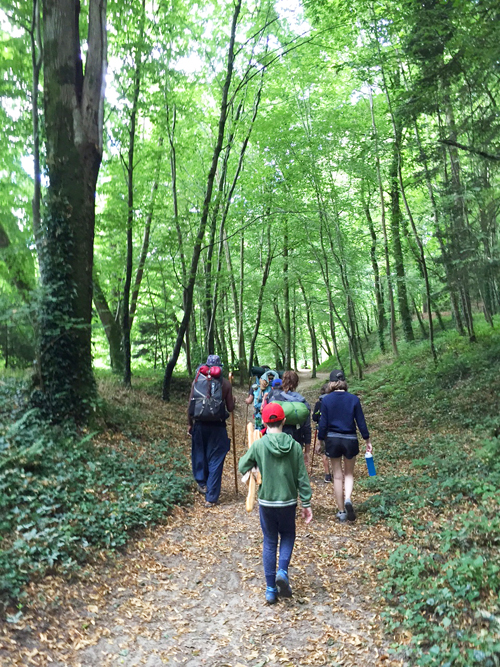 They stopped in towns along the way to buy food. A sample meal: always baguette, always camembert, then porc rillette with cornichons. Breakfast was pain au lait or a croissant or pain au chocolat. Good bread is very important to the French, and it was not unusual to see hikers with baguettes attached to their backpacks.
That night, the group slept in a field next to country house — someone in the group had a connection to the homeowner. Someone in the group had brought house made beer which was passed around, and one woman was celebrating a birthday, so everyone sang Happy Birthday.
There was a big campfire that night. People told jokes around the fire, and as some went off to bed, the remaining people talked philosophy as the embers died down. People were pretty tired by now, but there was still one big challenging day ahead.
They stopped in towns along the way to buy food. A sample meal: always baguette, always camembert, then porc rillette with cornichons. Breakfast was pain au lait or a croissant or pain au chocolat. Good bread is very important to the French, and it was not unusual to see hikers with baguettes attached to their backpacks.
That night, the group slept in a field next to country house — someone in the group had a connection to the homeowner. Someone in the group had brought house made beer which was passed around, and one woman was celebrating a birthday, so everyone sang Happy Birthday.
There was a big campfire that night. People told jokes around the fire, and as some went off to bed, the remaining people talked philosophy as the embers died down. People were pretty tired by now, but there was still one big challenging day ahead.
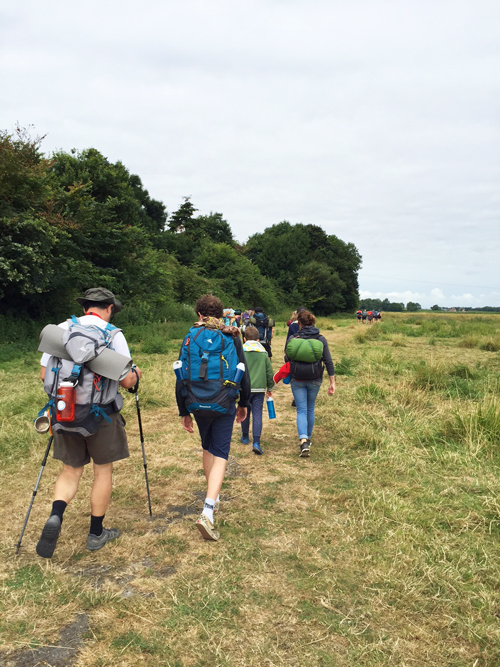 Day 4 – Saturday
This was the day they would reach Mont. St. Michel. They left earlier than usual at 6:00 in the morning (the usual start time was 9:00 AM). They had to go early to beat the tide — remember, Mont. St. Michel is an island, and they were going to approach it by water.
This day was more hilly, but not as dynamic as the 2nd day.
Day 4 – Saturday
This was the day they would reach Mont. St. Michel. They left earlier than usual at 6:00 in the morning (the usual start time was 9:00 AM). They had to go early to beat the tide — remember, Mont. St. Michel is an island, and they were going to approach it by water.
This day was more hilly, but not as dynamic as the 2nd day.
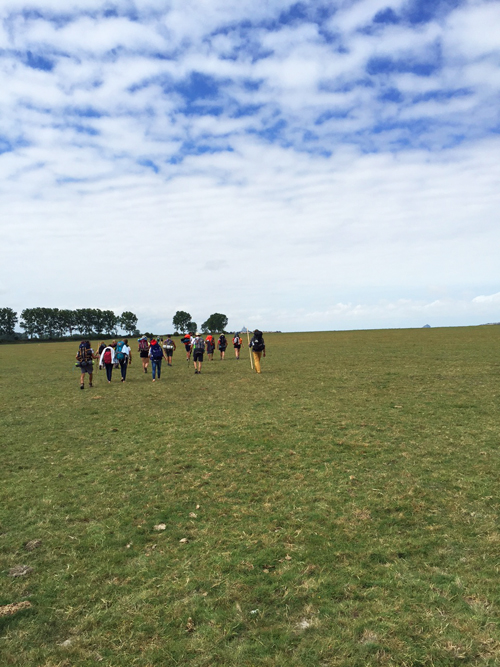 They hiked through fields with sheep and cows. There was one moment when they were walking along and this horse ran out and stared hard at them. They said it was like a guard horse, there to ensure hikers were worthy to reach Mont St Michel. : )
You couldn’t see the island the whole time (it’s that tiny little bump on the horizon in the photo above), but you’d turn around a bend and it would appear and give you courage to keep going.
Eventually you could see Mont St Michel the whole time, but they said it was so small, it felt like you weren’t getting any closer.
They hiked through fields with sheep and cows. There was one moment when they were walking along and this horse ran out and stared hard at them. They said it was like a guard horse, there to ensure hikers were worthy to reach Mont St Michel. : )
You couldn’t see the island the whole time (it’s that tiny little bump on the horizon in the photo above), but you’d turn around a bend and it would appear and give you courage to keep going.
Eventually you could see Mont St Michel the whole time, but they said it was so small, it felt like you weren’t getting any closer.
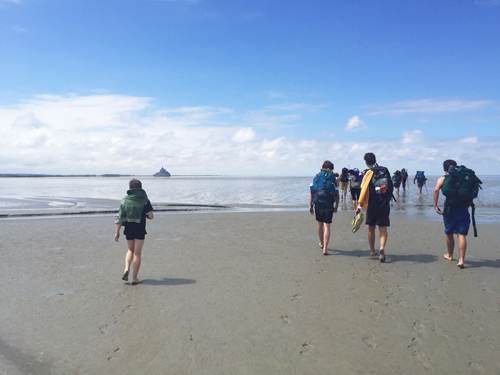 Just as they were getting discouraged, they reached the water around Mont St Michel. It was about 2:00 PM.
At that point, everyone took off their shoes. They were told shoes are forbidden in those waters. They swam and cooled off, and then the group met a guide who would take them all the way in. The waters around the island are known for quicksand, so the guide would test a path first, then the hikers would follow.
It took about 2 hours once they met the guide, with a couple of breaks built in so that everyone in the group would arrive at the same time.
They arrived at the backside of the island, then made their way around to the front, where they put on their shoes and the celebrating started! Everyone was hugging and cheering. 75 miles done! They said it felt like these former strangers were now bonded for life.
Tradition is that pilgrims sleep over at the Abbey on Mont St. Michel the night they arrive, but since the attack in Nice, that wasn’t an option. So instead of heading home Sunday morning, Ben and the kids explored the island a bit (they’ve been there many times and didn’t need to explore much) and then Eric’s wife picked everyone up. They stopped for dinner at a small country brasserie in Domfront, then, they were dropped off at their car and drove home — about an hour from where we are staying.
Just as they were getting discouraged, they reached the water around Mont St Michel. It was about 2:00 PM.
At that point, everyone took off their shoes. They were told shoes are forbidden in those waters. They swam and cooled off, and then the group met a guide who would take them all the way in. The waters around the island are known for quicksand, so the guide would test a path first, then the hikers would follow.
It took about 2 hours once they met the guide, with a couple of breaks built in so that everyone in the group would arrive at the same time.
They arrived at the backside of the island, then made their way around to the front, where they put on their shoes and the celebrating started! Everyone was hugging and cheering. 75 miles done! They said it felt like these former strangers were now bonded for life.
Tradition is that pilgrims sleep over at the Abbey on Mont St. Michel the night they arrive, but since the attack in Nice, that wasn’t an option. So instead of heading home Sunday morning, Ben and the kids explored the island a bit (they’ve been there many times and didn’t need to explore much) and then Eric’s wife picked everyone up. They stopped for dinner at a small country brasserie in Domfront, then, they were dropped off at their car and drove home — about an hour from where we are staying.
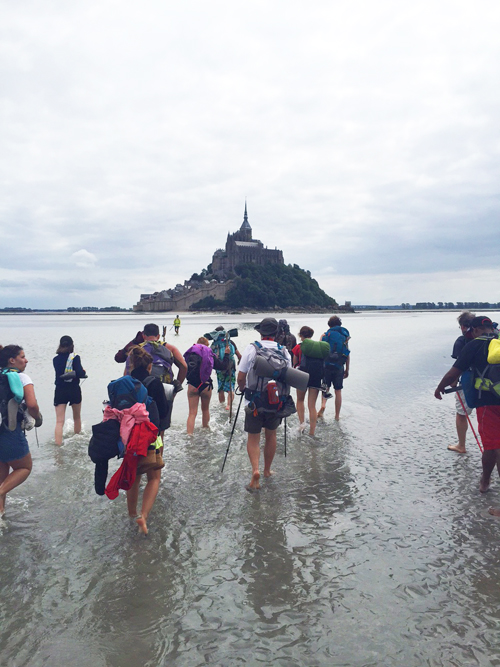 A few other notes:
Ben and the kids said it was the most French thing they’ve ever done, that they LOVED the food, and that now they want to do other pilgrimages. In fact, Ben and Eric are talking about doing the St Jaques du Compostable. A 3 month pilgrimage from France to Spain. The kids also mentioned it didn’t feel competitive at all. The whole group was in this together.
Ben Blair said he thinks it’s the best way to experience Normandy. If you’d like to try it, Bertrand’s tours go twice per month.
Okay. That was a long report. Now I’m curious: Does a trek like this sound appealing to you at all? Walking a path that others have walked for thousands of years? And if you went, would you want to bring a buddy, or would you be fine joining the group on your own? Any thoughts on doing a pilgrimage in silence?
P.S. — Now that they’ve done the complete pilgrimage there are a few shots of our Olive Us video — Pilgrimage to Mont St. Michel, that they wish they could add, but mostly they feel like they got it right.
A few other notes:
Ben and the kids said it was the most French thing they’ve ever done, that they LOVED the food, and that now they want to do other pilgrimages. In fact, Ben and Eric are talking about doing the St Jaques du Compostable. A 3 month pilgrimage from France to Spain. The kids also mentioned it didn’t feel competitive at all. The whole group was in this together.
Ben Blair said he thinks it’s the best way to experience Normandy. If you’d like to try it, Bertrand’s tours go twice per month.
Okay. That was a long report. Now I’m curious: Does a trek like this sound appealing to you at all? Walking a path that others have walked for thousands of years? And if you went, would you want to bring a buddy, or would you be fine joining the group on your own? Any thoughts on doing a pilgrimage in silence?
P.S. — Now that they’ve done the complete pilgrimage there are a few shots of our Olive Us video — Pilgrimage to Mont St. Michel, that they wish they could add, but mostly they feel like they got it right. Living With Kids: Janet Weston
 By Gabrielle.
This is the tour that almost never happened because TWINS! Janet’s boys have hit the terrible twos, and so her Living With Kids tour nearly turned into a Barely Surviving These Busy Busy Little Boys situation! You’ll giggle at the characters to whom she likens them, and I hope you’ll also love how she describes mommy-dating. Hilarious and true.
Oh! And did I mention she’s an expat in Tokyo? There’s a lot of interesting information in this one, and I really think you’re going to love Janet. And so, here she is!
By Gabrielle.
This is the tour that almost never happened because TWINS! Janet’s boys have hit the terrible twos, and so her Living With Kids tour nearly turned into a Barely Surviving These Busy Busy Little Boys situation! You’ll giggle at the characters to whom she likens them, and I hope you’ll also love how she describes mommy-dating. Hilarious and true.
Oh! And did I mention she’s an expat in Tokyo? There’s a lot of interesting information in this one, and I really think you’re going to love Janet. And so, here she is!
 Konnichiwa! Hajimemashite, yoroshiku onegaishimasu! I’m Janet, a mother of two beautiful twin boys. Together with my husband, we’ve been living in Tokyo for the past two years.
I am a former architect turned full-time stay-at-home mom. Last summer, I turned 40 but was too busy chasing after my kids to give it much thought or emotion. I am Korean by ethnicity, but born and raised in New York. My husband is British and grew up in London. He moved with his company to NYC, where we met, and now we are based in Tokyo.
My sons, C and M, are two-and-a-half years old and are bundles of energy. I speak American English to them while my husband speaks The Queen’s English to them; and although they spend much more time with me than my husband, they speak American English with a British accent.
…
Konnichiwa! Hajimemashite, yoroshiku onegaishimasu! I’m Janet, a mother of two beautiful twin boys. Together with my husband, we’ve been living in Tokyo for the past two years.
I am a former architect turned full-time stay-at-home mom. Last summer, I turned 40 but was too busy chasing after my kids to give it much thought or emotion. I am Korean by ethnicity, but born and raised in New York. My husband is British and grew up in London. He moved with his company to NYC, where we met, and now we are based in Tokyo.
My sons, C and M, are two-and-a-half years old and are bundles of energy. I speak American English to them while my husband speaks The Queen’s English to them; and although they spend much more time with me than my husband, they speak American English with a British accent.
… Random Thoughts
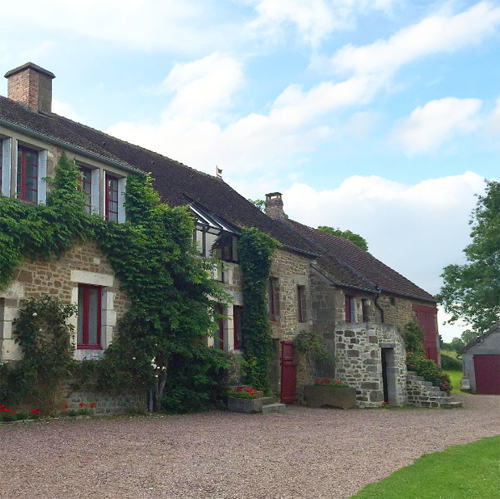 Photo and text by Gabrielle.
Well, Hello. Welcome to July’s installment of my random thoughts. Feel free to share your own random thoughts in the comments. Note: a lot of my thoughts at the moment happen to be about our time here in France this summer. : )
– We’ve almost reached the halfway point of this trip. Time is flying by. And somehow it’s also the slowest, laziest (in a good way) summer we’ve ever had. We stay up late, we take long walks, we play night games, we watch movies, we go exploring. There is nothing on the schedule — no lessons, no camps. I don’t think we’ve ever had a summer like this in our lives.
I should also note: the time change is a game changer. We are 9 hours ahead of California, 6 hours ahead of New York. So we can fit in lots of work before America is even awake. I had forgotten how much I love that.
– It’s such a treat to be able to jump right back in. To return to someplace familiar. We know what we like at the grocery store. We know our favorite bakeries. We know our favorite picnic spots. We see old friends as we walk down the street. The shopkeepers recognize us. The kids have friends here. We’re invited over for dinner, for dessert, for gouter (afternoon snack). And we can invite people in return.
We have so often set off to a new place that this feels unusual to experience. It’s such a wonderful thing to feel at home here instantly.
– An update on the cottage. We had a really good meeting with the architect just a few days after we arrived here. When we first approached him about the project, we told him we wanted to tackle things piece by piece, section by section — and as I’ve mentioned we started with the roof. But I have discovered that I’m an out-of-sight-out-of-mind sort of person. If you read this blog regularly, you already know this, but I go months without even thinking about the cottage.
So I decided we need to figure out a new plan. Instead of talking with the architect about phase 2, and phase 3, and what happens after that, we talked about the total project. The whole building. I think we need to tackle the whole thing at once, or I’m afraid it’s never going to get done.
Our discussion were great. Lots of brainstorming on how to best use the space — where to add windows, which doors we should keep, which wall should come down. He’s currently drawing up new plans which we can settle on before we leave. He thinks that once we begin, the remodeling and construction will take one full year.
In the mean time, we simply like being there on the property, and we are doing what we can. We are moving stones so the gardener can easily access the grounds for mowing. We are pulling down ivy. Stuff like that. I know it sounds strange, but it feels like such a treat to work on it!
– We’ve been to as many of our favorite spots as possible so far, and a few new-t0-us spots as well. We visited the D-Day beaches, a couple of favorite chateaus, Mont St. Michel, the town of Bayeaux. We’ve shopped in Caen, been to the beach, discovered a new-to-us lake, kayaked through Suisse-Normande, wandered through quaint towns like Bagnole de L’orne, and eaten lots of really good food.
– We tried something new and rented two smaller cars instead of one big van for the summer. This decision has been both good and bad. We like driving the smaller cars through the tiny streets, and parking is a breeze. It’s also nice to be able to take a small car for a quick errand, instead of driving the big van. To stay connected when we’re using both cars and heading out on an adventure, we use walkie-talkies (they’re called talkie-walkies in France). They’re practical and have also turned out to be highly entertaining.
The downside of two cars is that we feel way less spontaneous about longer trips. Caravanning in two cars for 8 or 10 hours, making for 2 exhausted drivers, feels like a bad idea. So next week, we’re renting a big van for our rescheduled trip to the South of France. We’re definitely excited and ready to go explore another region of this beautiful country. We haven’t decided yet, but think we may stick with the van for the rest of the summer, and maybe fit in one other big road trip. We’ll see.
– A mental health update: last week, a dark depression settled in — like my meds are only working halfway or not-at-all, or something. Very discouraging for lots of reasons — what a waste to be dealing with this when I’m in such a beautiful place. I’m fighting through it the best I can. Maybe the hardest part at the moment is the realization that I seem to be stuck with this mental illness forevermore; that even if I try hard to take care of myself, I’ll never be rid of it. I hate it so much.
– In happier news: Ben Blair and the older four kids are doing a pilgrimage to Mont St. Michel this week. They head out on Wednesday. I’m super bummed we couldn’t figure out childcare, because I really wanted to go. (I’ve written about pilgrimages before, and we made a video about it too). But I can’t feel too bad, because there are plenty of other good things to do. I’m thinking it would be fun to take Betty and June to Paris for a few days while our campers our gone.
Have you ever gone on, or considered going on a pilgrimage? If you could pick, which one would you do?
I think that’s it for now. Please feel free to respond to anything here, or bring up your own topic. I always love hearing what’s on your minds!
P.S. — I post my random thoughts each month. You can find them all here.
Photo and text by Gabrielle.
Well, Hello. Welcome to July’s installment of my random thoughts. Feel free to share your own random thoughts in the comments. Note: a lot of my thoughts at the moment happen to be about our time here in France this summer. : )
– We’ve almost reached the halfway point of this trip. Time is flying by. And somehow it’s also the slowest, laziest (in a good way) summer we’ve ever had. We stay up late, we take long walks, we play night games, we watch movies, we go exploring. There is nothing on the schedule — no lessons, no camps. I don’t think we’ve ever had a summer like this in our lives.
I should also note: the time change is a game changer. We are 9 hours ahead of California, 6 hours ahead of New York. So we can fit in lots of work before America is even awake. I had forgotten how much I love that.
– It’s such a treat to be able to jump right back in. To return to someplace familiar. We know what we like at the grocery store. We know our favorite bakeries. We know our favorite picnic spots. We see old friends as we walk down the street. The shopkeepers recognize us. The kids have friends here. We’re invited over for dinner, for dessert, for gouter (afternoon snack). And we can invite people in return.
We have so often set off to a new place that this feels unusual to experience. It’s such a wonderful thing to feel at home here instantly.
– An update on the cottage. We had a really good meeting with the architect just a few days after we arrived here. When we first approached him about the project, we told him we wanted to tackle things piece by piece, section by section — and as I’ve mentioned we started with the roof. But I have discovered that I’m an out-of-sight-out-of-mind sort of person. If you read this blog regularly, you already know this, but I go months without even thinking about the cottage.
So I decided we need to figure out a new plan. Instead of talking with the architect about phase 2, and phase 3, and what happens after that, we talked about the total project. The whole building. I think we need to tackle the whole thing at once, or I’m afraid it’s never going to get done.
Our discussion were great. Lots of brainstorming on how to best use the space — where to add windows, which doors we should keep, which wall should come down. He’s currently drawing up new plans which we can settle on before we leave. He thinks that once we begin, the remodeling and construction will take one full year.
In the mean time, we simply like being there on the property, and we are doing what we can. We are moving stones so the gardener can easily access the grounds for mowing. We are pulling down ivy. Stuff like that. I know it sounds strange, but it feels like such a treat to work on it!
– We’ve been to as many of our favorite spots as possible so far, and a few new-t0-us spots as well. We visited the D-Day beaches, a couple of favorite chateaus, Mont St. Michel, the town of Bayeaux. We’ve shopped in Caen, been to the beach, discovered a new-to-us lake, kayaked through Suisse-Normande, wandered through quaint towns like Bagnole de L’orne, and eaten lots of really good food.
– We tried something new and rented two smaller cars instead of one big van for the summer. This decision has been both good and bad. We like driving the smaller cars through the tiny streets, and parking is a breeze. It’s also nice to be able to take a small car for a quick errand, instead of driving the big van. To stay connected when we’re using both cars and heading out on an adventure, we use walkie-talkies (they’re called talkie-walkies in France). They’re practical and have also turned out to be highly entertaining.
The downside of two cars is that we feel way less spontaneous about longer trips. Caravanning in two cars for 8 or 10 hours, making for 2 exhausted drivers, feels like a bad idea. So next week, we’re renting a big van for our rescheduled trip to the South of France. We’re definitely excited and ready to go explore another region of this beautiful country. We haven’t decided yet, but think we may stick with the van for the rest of the summer, and maybe fit in one other big road trip. We’ll see.
– A mental health update: last week, a dark depression settled in — like my meds are only working halfway or not-at-all, or something. Very discouraging for lots of reasons — what a waste to be dealing with this when I’m in such a beautiful place. I’m fighting through it the best I can. Maybe the hardest part at the moment is the realization that I seem to be stuck with this mental illness forevermore; that even if I try hard to take care of myself, I’ll never be rid of it. I hate it so much.
– In happier news: Ben Blair and the older four kids are doing a pilgrimage to Mont St. Michel this week. They head out on Wednesday. I’m super bummed we couldn’t figure out childcare, because I really wanted to go. (I’ve written about pilgrimages before, and we made a video about it too). But I can’t feel too bad, because there are plenty of other good things to do. I’m thinking it would be fun to take Betty and June to Paris for a few days while our campers our gone.
Have you ever gone on, or considered going on a pilgrimage? If you could pick, which one would you do?
I think that’s it for now. Please feel free to respond to anything here, or bring up your own topic. I always love hearing what’s on your minds!
P.S. — I post my random thoughts each month. You can find them all here. What is the Ideal Marriage Age?
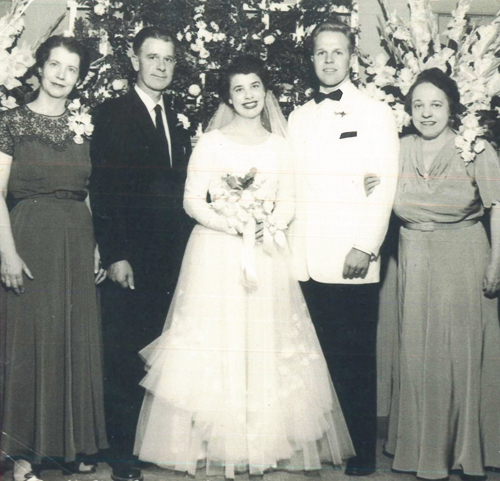 By Gabrielle.
Every once in awhile, family dinner conversation turns to the future. For example, Oscar might ask something like, “How old will June be when I’m 25?” And then you can see everyone start calculating their ages based on Oscar being 25 and trying to imagine what life will be like then. Or Maude might say something like, “Weren’t you 25 when you had me, Mom?” And then you can see everyone start imagining how old they will be if and when they become a parent. Perhaps Betty might ask something like, “How old were you when you became an uncle, Dad?” This is followed by the kids making guesses about which sibling will become a parent first and when that might happen. Or Olive might ask, “Were you really married at 21, Mom? That seems so young.” And I nod my head in agreement.
It seems so dang young to me, too! I’m sort of shocked when I think about it. I really and truly can’t imagine my kids marrying at that age. The whole idea seems mind-blowing to me. As a teen and young adult, I didn’t think much about what age I would marry at, but when when I pictured it, it was always late twenties — after I’d set up a successful career in New York. Maybe 28 or 29. (Gosh, I had a lot of confidence.)
That said, I have zero regrets about marrying at 21. I’ve felt lucky to have a partner all these years. It was like we got to learn to be adults together.
Then again, neither of us ever learned to live solo. We went from living at home to roommates to marriage. Some people would say we missed out on something essential; that we don’t know true independence (that’s probably true). Others would tell us we’re lucky we found each other early, when we weren’t set in our ways (that’s probably true, too).
Which makes me curious. What do you think is the ideal marriage age? Or, since everyone is different, what do you think is your ideal marriage age? Did you marry at just the right time? Do you wish you had been a little older? Maybe quite a bit older? Would you have liked to explore the world in your twenties? Or did marriage take a long time to find you and you wish it had come earlier? Maybe for you there’s no such thing as an ideal marriage age, because it turns out marriage is not for you.
And if you have kids, do you picture them marrying at a similar age as you did? Would you freak out if they told you they found the ONE and they’re ready to get married at 21? Do any of you have kids who are pretty sure they have no interest in ever marrying? Do your kids ever bring up this sort of topic? I would love to hear your thoughts!
P.S. — The wedding photo at top pictures my inlaws, Julia and Robert Blair. Which reminds me, do you know how old your parents were when they married? Or when they had you?
By Gabrielle.
Every once in awhile, family dinner conversation turns to the future. For example, Oscar might ask something like, “How old will June be when I’m 25?” And then you can see everyone start calculating their ages based on Oscar being 25 and trying to imagine what life will be like then. Or Maude might say something like, “Weren’t you 25 when you had me, Mom?” And then you can see everyone start imagining how old they will be if and when they become a parent. Perhaps Betty might ask something like, “How old were you when you became an uncle, Dad?” This is followed by the kids making guesses about which sibling will become a parent first and when that might happen. Or Olive might ask, “Were you really married at 21, Mom? That seems so young.” And I nod my head in agreement.
It seems so dang young to me, too! I’m sort of shocked when I think about it. I really and truly can’t imagine my kids marrying at that age. The whole idea seems mind-blowing to me. As a teen and young adult, I didn’t think much about what age I would marry at, but when when I pictured it, it was always late twenties — after I’d set up a successful career in New York. Maybe 28 or 29. (Gosh, I had a lot of confidence.)
That said, I have zero regrets about marrying at 21. I’ve felt lucky to have a partner all these years. It was like we got to learn to be adults together.
Then again, neither of us ever learned to live solo. We went from living at home to roommates to marriage. Some people would say we missed out on something essential; that we don’t know true independence (that’s probably true). Others would tell us we’re lucky we found each other early, when we weren’t set in our ways (that’s probably true, too).
Which makes me curious. What do you think is the ideal marriage age? Or, since everyone is different, what do you think is your ideal marriage age? Did you marry at just the right time? Do you wish you had been a little older? Maybe quite a bit older? Would you have liked to explore the world in your twenties? Or did marriage take a long time to find you and you wish it had come earlier? Maybe for you there’s no such thing as an ideal marriage age, because it turns out marriage is not for you.
And if you have kids, do you picture them marrying at a similar age as you did? Would you freak out if they told you they found the ONE and they’re ready to get married at 21? Do any of you have kids who are pretty sure they have no interest in ever marrying? Do your kids ever bring up this sort of topic? I would love to hear your thoughts!
P.S. — The wedding photo at top pictures my inlaws, Julia and Robert Blair. Which reminds me, do you know how old your parents were when they married? Or when they had you? 7 Reasons Why It’s SO Worth It to Travel Abroad with the Kids
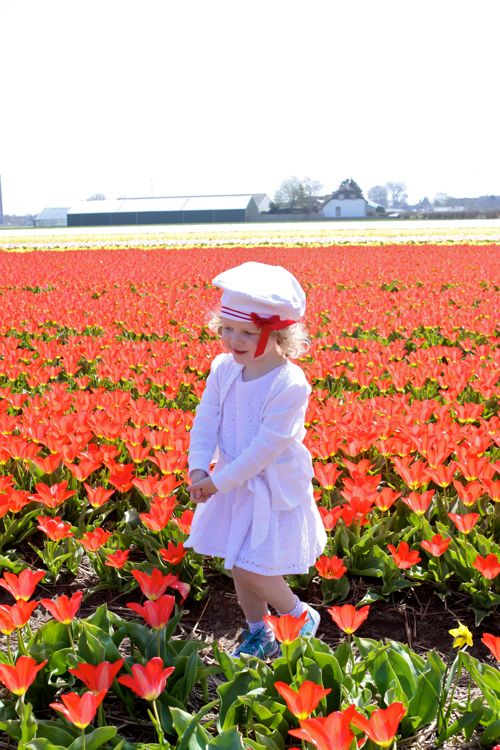 Let’s get the bad news out of the way first: International travel can feel overwhelming before you even get out the door. Are your passports up to date (don’t forget the baby needs one too!)? If not, it means a trip to the photo store, and then long lines (at least in California) at the post office. And if kids are involved, both parents need to be present, so you’ll probably have to take some hours off work to make it happen. Do you need a travel visa to enter the country? Different than a credit card, a travel visa is a sticker in your passport that gives you permission to enter another country. Depending on where you are going and how long you are staying you might need one. We needed one when we moved to France because we were staying longer than three months. I also needed one to visit Ethiopia.
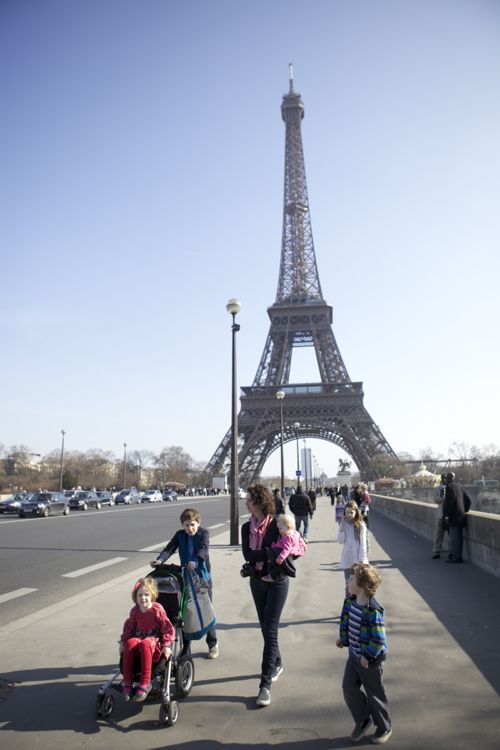 There’s also the language barrier. The closest thing I’ve got to a superpower is my ability to talk with other people. But when I go to a non-English speaking country, that power completely disappears. I am reduced to a pantomiming imbecile; I feel totally powerless in an instant. And then, there’s actually getting there. What will your toddler be like on an overseas flight? What should you pack and how will you manage getting through security with all that kid stuff? And what about the food when you arrive — will your picky-eating 6-year-old starve?
See what I mean? Why would anyone ever choose to travel to another country with kids? : )
I ask that kiddingly because in my opinion, and based on my experience, it’s SO worth it. I promise. Here’s a list of 7 reasons why:
There’s also the language barrier. The closest thing I’ve got to a superpower is my ability to talk with other people. But when I go to a non-English speaking country, that power completely disappears. I am reduced to a pantomiming imbecile; I feel totally powerless in an instant. And then, there’s actually getting there. What will your toddler be like on an overseas flight? What should you pack and how will you manage getting through security with all that kid stuff? And what about the food when you arrive — will your picky-eating 6-year-old starve?
See what I mean? Why would anyone ever choose to travel to another country with kids? : )
I ask that kiddingly because in my opinion, and based on my experience, it’s SO worth it. I promise. Here’s a list of 7 reasons why:
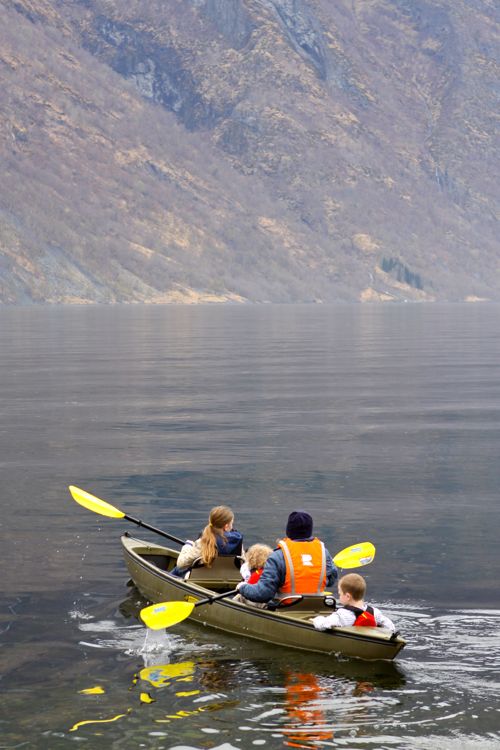 1) One thing that always strikes me when traveling abroad is the visual evidence that there are lots of good ways to live life and raise happy, healthy kids. Of course, you can see that in your own neighborhood — one family bans screens, another doesn’t eat gluten. But being in a new country brings it to a whole other level. How trash pickup is handled, what taxis and public transportation look like and how often it runs, realizing the school schedule is vastly different, finding out that restaurants are only open at certain times during the day, seeing lots of small children out for dinner very late at night and discovering bedtimes for kiddos aren’t the same as where you live. The list goes on and on. Just to comprehend it requires an open mind. If your kids can get a handle on this early on? What a huge advantage!
2) Related to number one, experiencing firsthand that there are vastly different ways for communities and cities to function really helps you appreciate what’s best about your own country and community, and to see clearly how it might be better. If kids grow up with a clear vision of the strengths and weaknesses of their community, they are in a much better position to actually improve the weaknesses.
1) One thing that always strikes me when traveling abroad is the visual evidence that there are lots of good ways to live life and raise happy, healthy kids. Of course, you can see that in your own neighborhood — one family bans screens, another doesn’t eat gluten. But being in a new country brings it to a whole other level. How trash pickup is handled, what taxis and public transportation look like and how often it runs, realizing the school schedule is vastly different, finding out that restaurants are only open at certain times during the day, seeing lots of small children out for dinner very late at night and discovering bedtimes for kiddos aren’t the same as where you live. The list goes on and on. Just to comprehend it requires an open mind. If your kids can get a handle on this early on? What a huge advantage!
2) Related to number one, experiencing firsthand that there are vastly different ways for communities and cities to function really helps you appreciate what’s best about your own country and community, and to see clearly how it might be better. If kids grow up with a clear vision of the strengths and weaknesses of their community, they are in a much better position to actually improve the weaknesses.
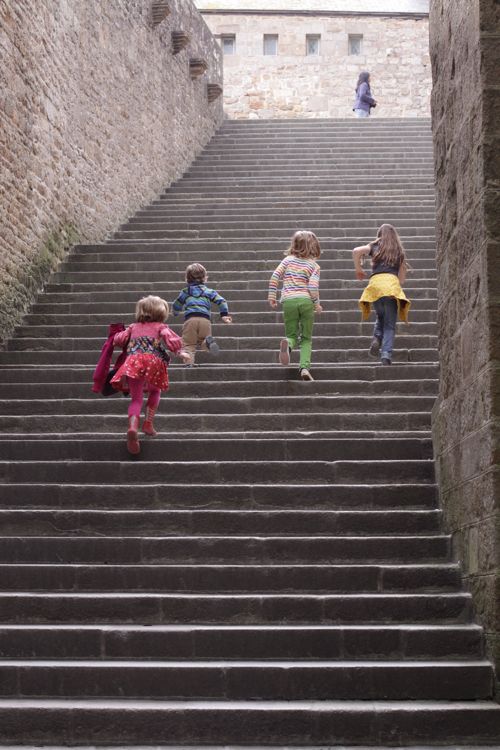 3) Traveling as a family to a foreign country means tons of together time, because the usual obligations and distractions are simply gone. The TV shows are unfamiliar and uninteresting, or perhaps the time change means no phone calls interrupting dinner. You are stuck together, and maybe in small living quarters, so everyone has to up their patience and best-behavior game. If there’s a foreign language involved, you can expect even more family time — because there’s no one else to talk to! You’ll suddenly feel how dependent you are on one another, and that can be a very good thing. It’s much easier to put family first when you are traveling abroad.
4) We all learn this before we ever travel, but seeing firsthand that all humans everywhere have the same basic needs is a life-changer. And it’s comforting to know. When you arrive at any airport — even the small ones — you’ll see signs for restrooms, food, accommodations, and transportation. Because every single person, no matter where they are coming from, or where they are going, needs those things.
3) Traveling as a family to a foreign country means tons of together time, because the usual obligations and distractions are simply gone. The TV shows are unfamiliar and uninteresting, or perhaps the time change means no phone calls interrupting dinner. You are stuck together, and maybe in small living quarters, so everyone has to up their patience and best-behavior game. If there’s a foreign language involved, you can expect even more family time — because there’s no one else to talk to! You’ll suddenly feel how dependent you are on one another, and that can be a very good thing. It’s much easier to put family first when you are traveling abroad.
4) We all learn this before we ever travel, but seeing firsthand that all humans everywhere have the same basic needs is a life-changer. And it’s comforting to know. When you arrive at any airport — even the small ones — you’ll see signs for restrooms, food, accommodations, and transportation. Because every single person, no matter where they are coming from, or where they are going, needs those things.
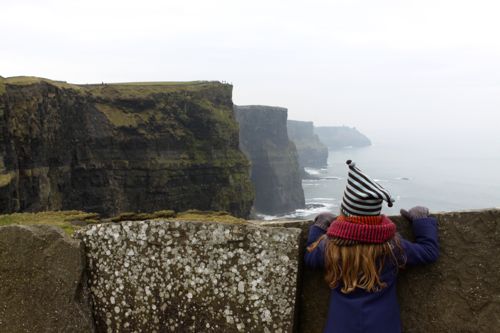
 The same thing is true throughout your trip. Have a stuffy nose? Turns out the people in the country you’re visiting get stuffy noses too. They probably use tissues and can show you where to get some, but maybe they use handkerchiefs. Who knows? Something to discover. Need sunscreen? You’re not the only one. All humans are susceptible to sunburn or sunstroke which means every population has figured out how to prevent it one way or another — whether it’s napping through the hottest part of the day, wearing a wide brim hat, or slathering on the SPF. Go find out!
We’re all more alike than we are different. It’s something I want my kids to understand at their core.
5) When you’re traveling, especially abroad, it’s like everyday things become new. It’s as if you are walking around with a heightened awareness of each small thing that’s happening. You notice more details. You hear more sounds. There’s an excitement and freshness to each day. Such a wonderful thing to experience!
The same thing is true throughout your trip. Have a stuffy nose? Turns out the people in the country you’re visiting get stuffy noses too. They probably use tissues and can show you where to get some, but maybe they use handkerchiefs. Who knows? Something to discover. Need sunscreen? You’re not the only one. All humans are susceptible to sunburn or sunstroke which means every population has figured out how to prevent it one way or another — whether it’s napping through the hottest part of the day, wearing a wide brim hat, or slathering on the SPF. Go find out!
We’re all more alike than we are different. It’s something I want my kids to understand at their core.
5) When you’re traveling, especially abroad, it’s like everyday things become new. It’s as if you are walking around with a heightened awareness of each small thing that’s happening. You notice more details. You hear more sounds. There’s an excitement and freshness to each day. Such a wonderful thing to experience!
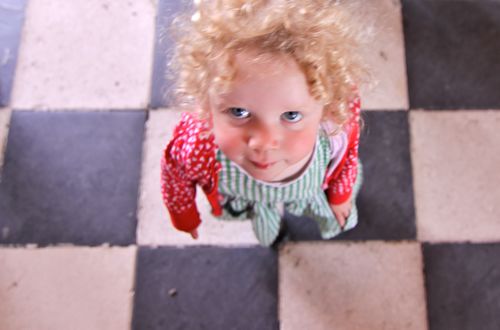 6) Traveling requires bravery — you have to try new things, figure out directions, learn to communicate, taste new flavors, solve problems, be patient when the itinerary goes amuck. It’s a real chance for both you and your kids to be brave. And you’ll be proud of each other for being brave. Also, those experiences that require bravery are incredibly bonding. Your kids will share these memories with you and with their siblings forever.
7) The whole family will get to see another view. Not a point-of-view, I’m talking an actual view. The houses look different. The stores look different. The product packaging looks different. The plants look different. The street signs look different. The cars look different. The food looks different. It’s all commonplace and everyday to the people who live there, but to your eyes it’s a whole new world. Kids find this as inspiring as adults do. It informs the way they think, and will help their brains make new connections about life and stuff and art and all those good things.
6) Traveling requires bravery — you have to try new things, figure out directions, learn to communicate, taste new flavors, solve problems, be patient when the itinerary goes amuck. It’s a real chance for both you and your kids to be brave. And you’ll be proud of each other for being brave. Also, those experiences that require bravery are incredibly bonding. Your kids will share these memories with you and with their siblings forever.
7) The whole family will get to see another view. Not a point-of-view, I’m talking an actual view. The houses look different. The stores look different. The product packaging looks different. The plants look different. The street signs look different. The cars look different. The food looks different. It’s all commonplace and everyday to the people who live there, but to your eyes it’s a whole new world. Kids find this as inspiring as adults do. It informs the way they think, and will help their brains make new connections about life and stuff and art and all those good things.
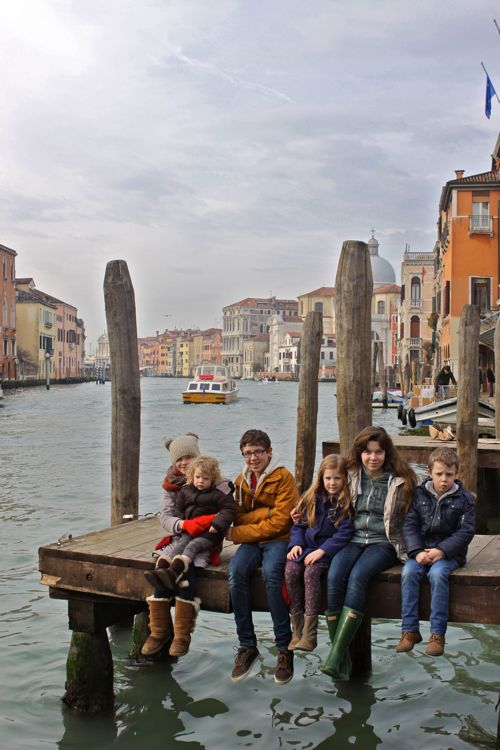 Yes, a trip for just the grownups to a faraway place is dreamy and romantic — and sometimes ideal. But for lots of reasons, it’s often not doable. Finding a 24-hour babysitter for a long period is hard, sometimes impossible. Or maybe you’re breastfeeding and aren’t ready to stop. But even if your kids are too little to remember, I’d still say yes to an international trip. It’s true you’ll go at a slower pace with little ones in tow, but the views will still be inspiring, and your soul will be refreshed. For sure there will be hard spots, and when you’re at airport security and the TSA guy with the beeping metal-detector wand just woke up the baby, you’ll wonder if you should cancel the trip and head home. But if you have that travel itch, even with the hard stuff, it will be so much better than doing the same old, same old at home.
Now I’d love your take. Are you ever intimidated by traveling abroad? Anyone else feel like me about foreign languages? Do you agree that it’s worth the hassle of taking kids abroad, or do you feel like big trips to foreign countries should be saved until the kids are grown? Maybe when you’re retired? Anything else you would add to my list? I’d love to hear!
Yes, a trip for just the grownups to a faraway place is dreamy and romantic — and sometimes ideal. But for lots of reasons, it’s often not doable. Finding a 24-hour babysitter for a long period is hard, sometimes impossible. Or maybe you’re breastfeeding and aren’t ready to stop. But even if your kids are too little to remember, I’d still say yes to an international trip. It’s true you’ll go at a slower pace with little ones in tow, but the views will still be inspiring, and your soul will be refreshed. For sure there will be hard spots, and when you’re at airport security and the TSA guy with the beeping metal-detector wand just woke up the baby, you’ll wonder if you should cancel the trip and head home. But if you have that travel itch, even with the hard stuff, it will be so much better than doing the same old, same old at home.
Now I’d love your take. Are you ever intimidated by traveling abroad? Anyone else feel like me about foreign languages? Do you agree that it’s worth the hassle of taking kids abroad, or do you feel like big trips to foreign countries should be saved until the kids are grown? Maybe when you’re retired? Anything else you would add to my list? I’d love to hear! Say Something: Thoughts on the Black Lives Matter Movement
 By Gabrielle.
Late last night, I logged onto Facebook and my feed was filled — completely overflowing — with posts about Alton Sterling. I hadn’t heard the news and sat in shock as I read post after post after post. And then, I woke up this morning to gut-wrenching news about Philando Castile. It’s all I can think about. I can’t stay silent. So I’m writing.
The first part of this post is for any white readers who might think the Black Lives Matter movement is unnecessary at best and harmful at worst. It’s for white readers whose first instinct is to defend the police officers. It’s for white readers who can list all the reasons why Alton Sterling and Philando Castile were in the wrong, and what they should have done differently to prevent being killed.
First, understand that your thinking is wrong.
Your list about how they could have prevented their own murders? Lose it. It’s a racist, dishonest list. There is nothing they could have done. They were killed because they were living life with black skin. They were killed because they were born black. Under the exact same circumstances as Philando Castile and Alton Sterling, white men would still be alive. It’s that simple. Both of these men are dead because of the color of their skin. Period.
As far as defending the police officers in these instances, don’t. There are wonderful police officers who do a great job in a hard line of work every single day. I know this. You know this. Everybody knows this. And there are corrupt and racist and cruel police officers too. The corrupt ones need to be called out and held accountable. If you are a fan of police officers, you are not doing them any favors if you accept corruption among them. Call it out and encourage them to call it out too. It’s better for them, it’s better for all of us. (For a passionate argument along these lines, see this video of a DJ calling out a police officer to speak up.)
Remember, police officers are not supposed to be the judge and jury and executioner. That is not their job. And yet, here are the stats on people killed by police in 2016.
By Gabrielle.
Late last night, I logged onto Facebook and my feed was filled — completely overflowing — with posts about Alton Sterling. I hadn’t heard the news and sat in shock as I read post after post after post. And then, I woke up this morning to gut-wrenching news about Philando Castile. It’s all I can think about. I can’t stay silent. So I’m writing.
The first part of this post is for any white readers who might think the Black Lives Matter movement is unnecessary at best and harmful at worst. It’s for white readers whose first instinct is to defend the police officers. It’s for white readers who can list all the reasons why Alton Sterling and Philando Castile were in the wrong, and what they should have done differently to prevent being killed.
First, understand that your thinking is wrong.
Your list about how they could have prevented their own murders? Lose it. It’s a racist, dishonest list. There is nothing they could have done. They were killed because they were living life with black skin. They were killed because they were born black. Under the exact same circumstances as Philando Castile and Alton Sterling, white men would still be alive. It’s that simple. Both of these men are dead because of the color of their skin. Period.
As far as defending the police officers in these instances, don’t. There are wonderful police officers who do a great job in a hard line of work every single day. I know this. You know this. Everybody knows this. And there are corrupt and racist and cruel police officers too. The corrupt ones need to be called out and held accountable. If you are a fan of police officers, you are not doing them any favors if you accept corruption among them. Call it out and encourage them to call it out too. It’s better for them, it’s better for all of us. (For a passionate argument along these lines, see this video of a DJ calling out a police officer to speak up.)
Remember, police officers are not supposed to be the judge and jury and executioner. That is not their job. And yet, here are the stats on people killed by police in 2016.
 The second part of this post is for white readers who feel compelled to do or say something about this unnecessary and systematic violence.
What should you do? I confess, I’m not sure. I don’t know what’s effective and what’s a waste of time. I haven’t found anything that tells me how to make real change. So perhaps we can start by listening. Black women everywhere made videos yesterday sharing their thoughts — I think I had at least 15 in my Facebook feed. Here are three that happen to be mothers (and women I know personally and care deeply about): Amber Dorsey, Brandi Riley, A’Driane Nieves. Watch them. Listen. Try to imagine the terror of being pulled over for a routine traffic violation when you are black. Try to imagine the terror of knowing your children could be killed for going about their daily lives, just because they dare to have black skin.
After you listen, take a minute to realize that if it hasn’t hit home for you already, that it will at some point. Think of the black kids at your school. Think of your black neighbors. Think of your cousin who just adopted two black boys from Haiti. I know it’s tempting to believe nothing will happen to them. Your neighborhood is safe. You’re pretty sure your community isn’t racist. Your kids don’t even seem to notice race.
But that’s not how this works. Having black skin and living in a safe neighborhood won’t prevent this. Having black skin and white friends won’t prevent this. Having black skin and white parents won’t prevent this. Having black skin and respect for authority won’t prevent this. Having black skin and wearing certain clothes won’t prevent this. Since white people are the oppressors here, only white people can prevent this.
Which brings us to this: The senseless killing needs to end. It’s time to say something. If you use social media, I encourage (ask, beg, implore) you to share a tweet or a Facebook post, or share a quote and a hashtag on Instagram. Put a Black Lives Matter movement poster in your yard or your window. Take the time to help your kids understand that life is different for black kids and that not having to think or talk about race is a privilege, and only something white people get to do. Call out the injustice and racism when you see it — even when it’s your uncle or friend from church. And check out the Black Lives Matter movement Get Involved page to find more ideas. Join me as I continue to learn how to be an ally.
Have other ideas on what you can say or do? Or thoughts on the Black Lives Matter movement? I hope you’ll share them in the comments. Feeling heartbroken and helpless? Oh man. I hear you. You can share that too.
P.S. — Kelly Wickham Hurst taught me that every time I write something about race I will likely get called out as a racist and told I’m doing it wrong, and that’s okay, it’s worth saying something anyway. You may experience the same thing, but you will survive.
The second part of this post is for white readers who feel compelled to do or say something about this unnecessary and systematic violence.
What should you do? I confess, I’m not sure. I don’t know what’s effective and what’s a waste of time. I haven’t found anything that tells me how to make real change. So perhaps we can start by listening. Black women everywhere made videos yesterday sharing their thoughts — I think I had at least 15 in my Facebook feed. Here are three that happen to be mothers (and women I know personally and care deeply about): Amber Dorsey, Brandi Riley, A’Driane Nieves. Watch them. Listen. Try to imagine the terror of being pulled over for a routine traffic violation when you are black. Try to imagine the terror of knowing your children could be killed for going about their daily lives, just because they dare to have black skin.
After you listen, take a minute to realize that if it hasn’t hit home for you already, that it will at some point. Think of the black kids at your school. Think of your black neighbors. Think of your cousin who just adopted two black boys from Haiti. I know it’s tempting to believe nothing will happen to them. Your neighborhood is safe. You’re pretty sure your community isn’t racist. Your kids don’t even seem to notice race.
But that’s not how this works. Having black skin and living in a safe neighborhood won’t prevent this. Having black skin and white friends won’t prevent this. Having black skin and white parents won’t prevent this. Having black skin and respect for authority won’t prevent this. Having black skin and wearing certain clothes won’t prevent this. Since white people are the oppressors here, only white people can prevent this.
Which brings us to this: The senseless killing needs to end. It’s time to say something. If you use social media, I encourage (ask, beg, implore) you to share a tweet or a Facebook post, or share a quote and a hashtag on Instagram. Put a Black Lives Matter movement poster in your yard or your window. Take the time to help your kids understand that life is different for black kids and that not having to think or talk about race is a privilege, and only something white people get to do. Call out the injustice and racism when you see it — even when it’s your uncle or friend from church. And check out the Black Lives Matter movement Get Involved page to find more ideas. Join me as I continue to learn how to be an ally.
Have other ideas on what you can say or do? Or thoughts on the Black Lives Matter movement? I hope you’ll share them in the comments. Feeling heartbroken and helpless? Oh man. I hear you. You can share that too.
P.S. — Kelly Wickham Hurst taught me that every time I write something about race I will likely get called out as a racist and told I’m doing it wrong, and that’s okay, it’s worth saying something anyway. You may experience the same thing, but you will survive.